Supreme Court Seeks Detailed Report on Unnatural Deaths in Manipur Relief Camps
The Supreme Court has directed the Manipur Chief Secretary to provide details of 25 reported unnatural deaths of internally displaced people, including post-mortem findings and preventive measures. Material before the court separately referred to 640 deaths across relief camps in eight districts, of
judicial oversight of relief camps and humanitarian conditions for internally displaced people in Manipur
Table of Contents (13 sections)
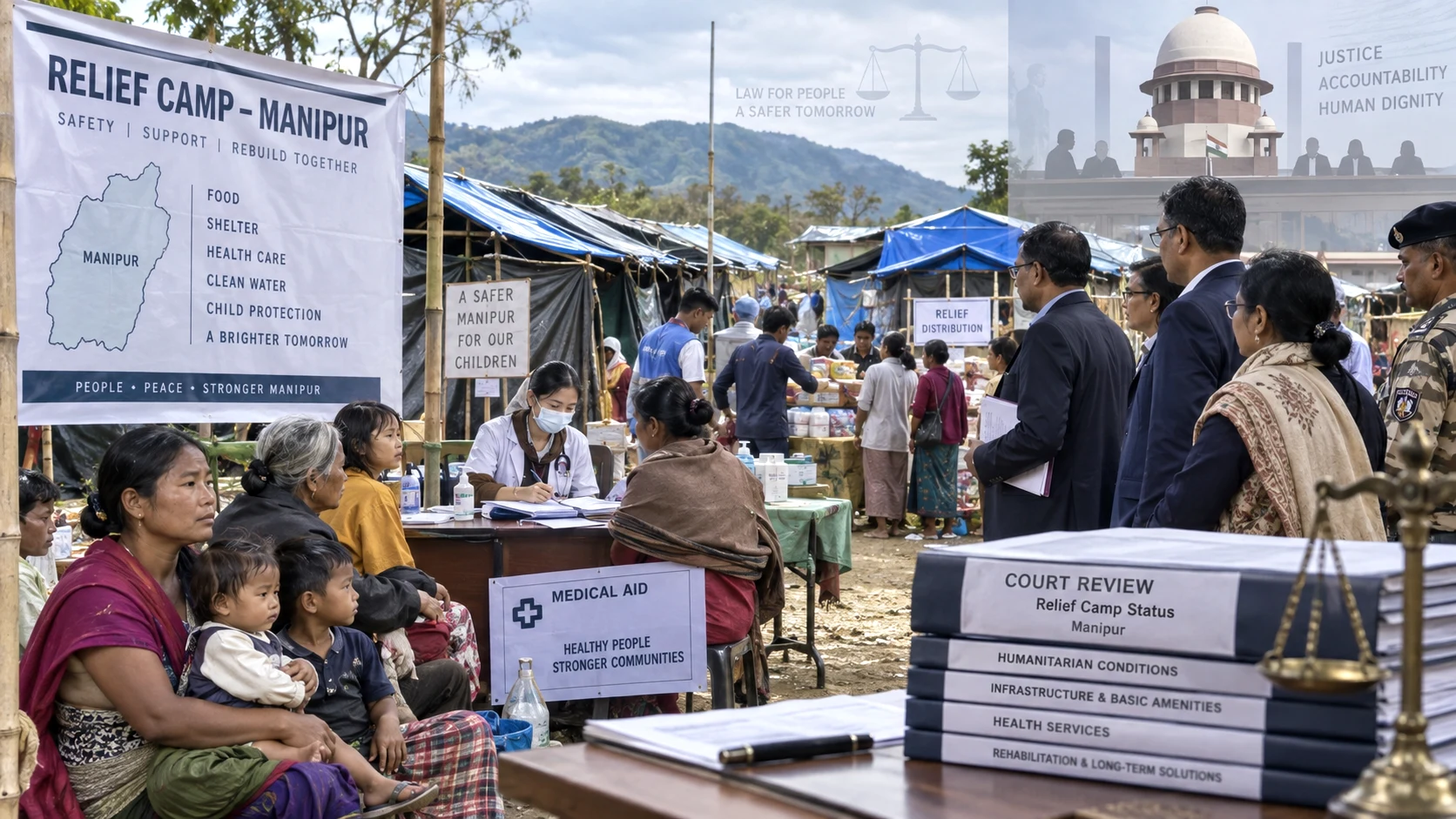
The Supreme Court has sought a comprehensive response from the Manipur government after expressing serious concern over reports of unnatural deaths among internally displaced people staying in relief camps set up following the ethnic violence that began in the state in 2023.
A three-judge bench headed by Chief Justice of India Surya Kant and comprising Justices Joymalya Bagchi and V. Mohana on September 17 directed the Manipur Chief Secretary to provide detailed information on 25 reported unnatural deaths, including post-mortem findings, causes of death and the preventive measures taken by authorities.
The court was hearing proceedings connected with the investigation, relief and rehabilitation measures arising from the Manipur violence.
The hearing also revealed a broader set of figures requiring careful distinction: information placed before the court referred to 640 deaths among people in relief camps across eight districts, of which 34 were described as unnatural deaths. Only 20 of those 34 cases were reported to have undergone post-mortem examinations.
That means the figures 25 and 34 refer to different parts of the material before the court and should not be treated as contradictory totals.
Key Takeaways
The Supreme Court on September 17 expressed serious concern over reports of unnatural deaths among internally displaced people living in Manipur relief camps.
Recommended Reading
Related Stories & In-Depth Guides
Curated editorial perspectives matching this topic.
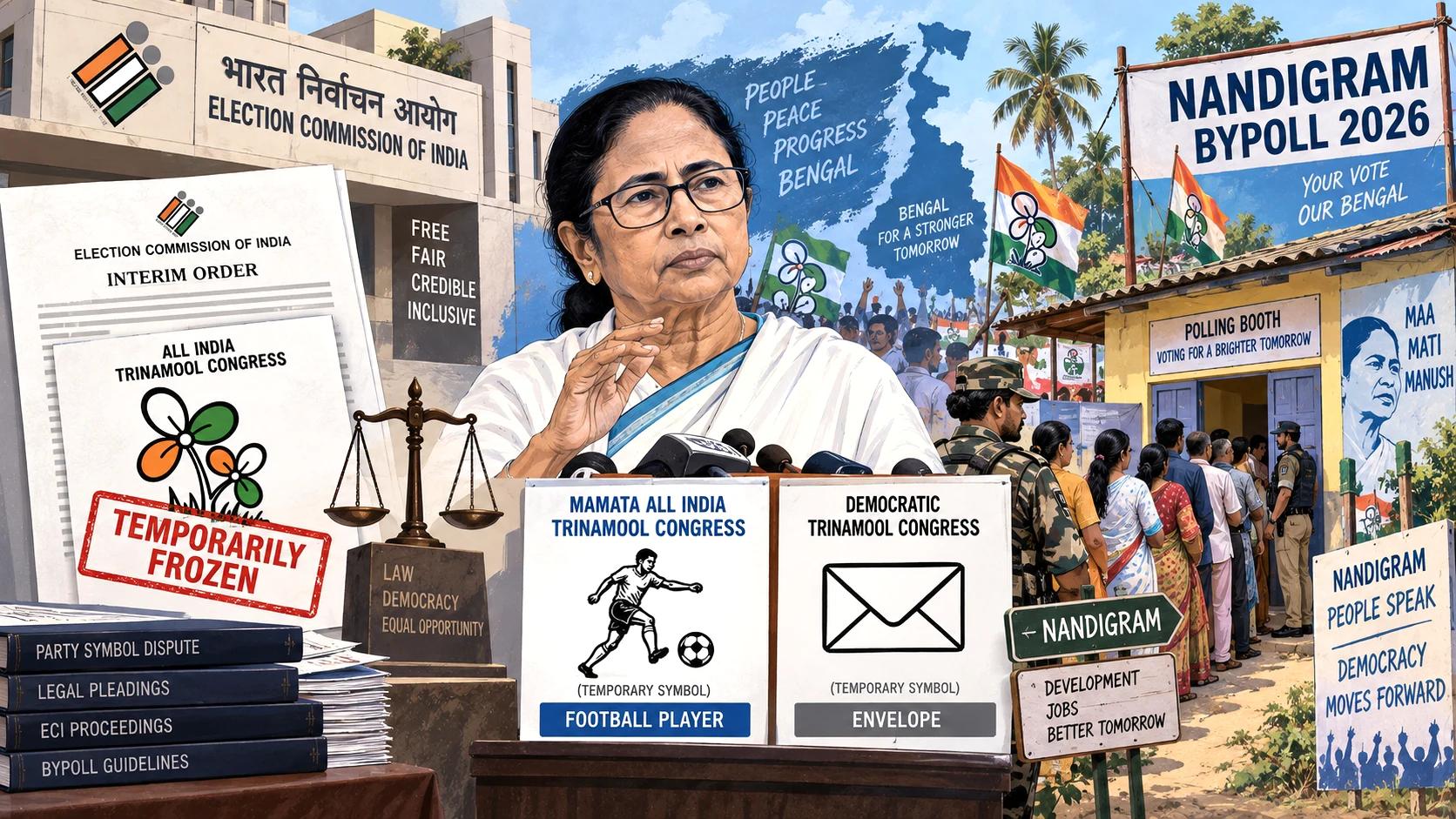
The Election Commission’s interim freeze on the Trinamool Congress name and ‘Flowers and Grass’ symbol has pushed rival factions to temporary identities. Mamata Banerjee has challenged the order in the Supreme Court, while the October 6 Nandigram bypoll has been further complicated by the withdrawal
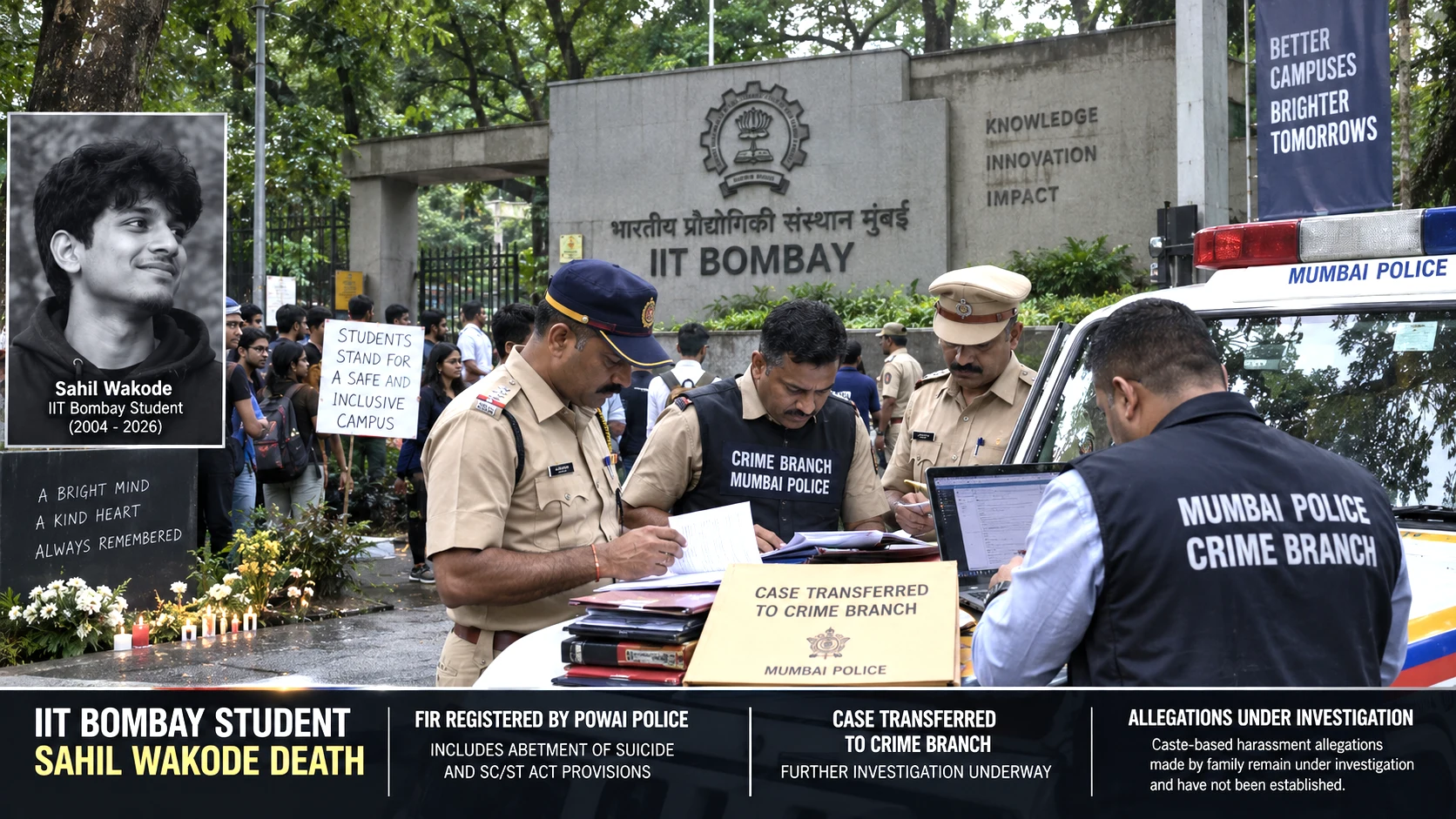
The Mumbai Police Crime Branch has taken over the investigation into the death of IIT Bombay student Sahil Wakode after his family alleged caste-based harassment and demanded action against those they hold responsible. An IIT Bombay faculty member has been booked for alleged abetment to suicide, whi
The bench directed the Manipur Chief Secretary to submit details concerning 25 unnatural deaths specifically highlighted in reports before the court.
A broader set of information placed before the court referred to 640 deaths in relief camps across eight districts, including 34 categorised as unnatural deaths.
Post-mortem examinations were reported to have been conducted in only 20 of the 34 unnatural-death cases, prompting the court to seek an explanation.
The court also sought information on criminal cases, causes of death, compensation and measures taken to protect people living in the camps.
The Manipur State Legal Services Authority was directed to ensure FIRs are registered in cases of unnatural death and that investigations proceed expeditiously.
One case mentioned before the court allegedly involved sexual assault preceding a death. That allegation remains subject to investigation and should not be presented as an established judicial finding.
Court Seeks Details of 25 Reported Unnatural Deaths
The immediate direction to the Chief Secretary concerns 25 unnatural deaths that had been highlighted in reports considered by the court-appointed committee overseeing relief and rehabilitation.
The Indian Express reported that the court directed the state to provide information concerning all 25 cases, together with post-mortem material and documents indicating the causes of death.
LiveLaw similarly reported that the Chief Secretary was asked to furnish details of the 25 cases and explain what remedial and preventive steps had been taken to protect internally displaced persons in the camps.
The court's intervention is therefore not a finding that authorities were responsible for any of the deaths.
It is a judicial direction seeking facts about the circumstances of the deaths, the investigations conducted and the protection provided to displaced residents.
Why Reports Refer to Both 25 and 34 Deaths
Several headlines have referred to either 25 or 34 unnatural deaths, which can create confusion.
The material reported from the hearing indicates that a court-appointed panel had raised concerns based on information about 25 unnatural deaths of internally displaced persons.
Separately, a nodal officer's information placed before the committee reportedly stated that there had been 640 deaths in relief camps across eight districts, including 34 classified as unnatural deaths.
According to that broader data:
34 deaths were categorised as unnatural;
post-mortems had reportedly been conducted in 20 cases;
criminal cases had been registered in relation to 25 deaths; and
prosecution had commenced in four cases
The Supreme Court sought explanations for these gaps.
For accurate reporting, the strongest formulation is therefore that the court specifically sought a detailed report concerning 25 reported unnatural deaths while also examining broader data indicating 34 unnatural deaths among 640 deaths recorded in camps across eight districts.
A significant concern raised during the hearing was why post-mortem examinations had reportedly been conducted in only 20 of the 34 unnatural-death cases.
The court asked the Manipur government to explain why examinations were not conducted in all such cases and to provide the available medical findings concerning causes of death.
Post-mortem findings can be particularly important in cases classified as unnatural deaths because they may help authorities determine whether criminal investigation or other legal action is required.
The court has not itself determined the causes of the individual deaths.
Its direction is aimed at obtaining the underlying records and establishing what action state authorities took in each case.
Alleged Sexual Assault Case Raised Before Court
One of the cases brought to the court's attention was described as involving an alleged sexual assault preceding the victim's death.
Chief Justice Surya Kant referred to the reported case as particularly disturbing while questioning why requested information had not been supplied earlier to the committee.
Because the matter concerns an allegation of sexual violence, reporting should avoid identifying the victim or publishing details that could disclose her identity.
It is also essential to distinguish the allegation from a final finding.
The Supreme Court's remarks show that the case requires investigation and explanation; they do not amount to a judgment establishing who committed an offence or the exact causal circumstances of the death.
Justice Gita Mittal-Led Committee Had Sought Information
The issue reached the bench through the three-member committee constituted by the Supreme Court to supervise humanitarian, relief and rehabilitation aspects arising from the 2023 violence.
The committee is headed by former Jammu and Kashmir High Court Chief Justice Gita Mittal and also includes former Bombay High Court judge Justice Shalini Phansalkar Joshi and former Delhi High Court judge Justice Asha Menon. The Supreme Court constituted the panel in August 2023.
The Indian Express reported that the committee first sought information from the Chief Secretary regarding deaths in relief camps on June 11.
After receiving information that it considered incomplete, a further request was made on July 4.
During the September 17 hearing, the court questioned why the required details had not yet been fully provided.
State Asked to Explain Safety Measures in Relief Camps
The court's directions extend beyond investigating past deaths.
The Manipur government was also asked to explain the measures taken to ensure the safety and dignity of internally displaced people living in camps.
The bench directed that adequate medical facilities and day-to-day necessities should be available to camp residents.
This places the focus not only on determining what happened in the reported deaths but also on whether safeguards are sufficient to reduce the risk of similar incidents.
The court has been monitoring relief and rehabilitation issues in Manipur since the communal and ethnic violence of 2023 displaced large numbers of residents.
Legal Services Authority Given Directions
The Supreme Court also directed the Manipur State Legal Services Authority to take up the issue immediately.
According to LiveLaw, the authority was asked to help ensure that:
FIRs are registered in cases involving unnatural deaths;
causes of death are properly established;
investigations in already registered FIRs proceed expeditiously; and
measures are taken to protect the safety and dignity of people in relief camps
These directions are procedural safeguards.
Registration of an FIR initiates a criminal investigation; it does not establish that an offence has been committed by a particular individual.
Likewise, an unnatural-death classification does not automatically mean homicide. Such a category can cover different circumstances that require medical and investigative determination.
Court Also Questions Compensation
The bench additionally raised concerns about reports that families in some unnatural-death cases had received compensation of only ₹20,000 to ₹30,000.
The court asked the state to explain the basis for those amounts.
Hindustan Times reported that the bench contrasted those figures with compensation of more than ₹5 lakh reportedly paid in comparable cases and sought an explanation for the disparity.
The court has not yet issued a final determination fixing compensation in each case.
Its present direction is for the government to explain how the existing amounts were decided.
Wider Manipur Cases Also Reviewed
The September 17 proceedings also covered the broader status of criminal investigations arising from the 2023 violence.
The court was informed that 42 Special Investigation Teams across eight districts were handling 3,020 cases.
According to the status information recorded in legal reporting:
charge sheets had been filed in 302 cases;
closure reports had been filed in 1,583 cases;
1,135 cases remained under investigation; and
trials had begun in 33 cases
The court was also updated on cases being handled by the Central Bureau of Investigation.
The larger case review is separate from the question of deaths inside relief camps but demonstrates the scope of the continuing judicial monitoring of investigations linked to the Manipur violence.
What the Supreme Court Has — and Has Not — Found
The distinction is important for neutral reporting.
The Supreme Court has expressed serious concern and sought detailed information.
It has not concluded that the Manipur government caused the deaths.
It has not determined that all 34 unnatural deaths involved criminal offences.
It has not established the criminal responsibility of any person in the alleged sexual-assault case referred to during the hearing.
The state has instead been directed to provide records so that the circumstances, medical findings, criminal proceedings and preventive measures can be properly examined.
That distinction should remain central as the matter continues.
Bottom Line
The Supreme Court's September 17 intervention is a confirmed and significant development in its continuing oversight of relief and rehabilitation following the Manipur violence.
A bench headed by Chief Justice Surya Kant has directed the Manipur Chief Secretary to provide a detailed account of 25 reported unnatural deaths of internally displaced people in relief camps, including available post-mortem reports, causes of death and steps taken to prevent further incidents.
At the same time, broader material before the court referred to 640 deaths across camps in eight districts, of which 34 were classified as unnatural. Only 20 of those 34 reportedly underwent post-mortem examinations, and the court has sought an explanation.
The bench has also directed authorities to address FIR registration, investigations, medical care, daily necessities, compensation and the safety and dignity of displaced people.
The proceedings raise serious questions requiring official answers, but they should be reported without presuming criminal responsibility or attributing blame before investigations and legal proceedings establish the facts.
Key Takeaway
Supreme Court seeks detailed report on 25 reported unnatural deaths in Manipur relief camps.
Broader data shows 34 unnatural deaths among 640 camp deaths across eight districts.
Court questions limited post-mortems, investigations, compensation and safety measures.
No finding yet attributing criminal responsibility.
The Rajatheertha Team publishes news, explainers, guides and updates across India and the world. Our coverage follows Rajatheertha's editorial, verification and corrections standards.
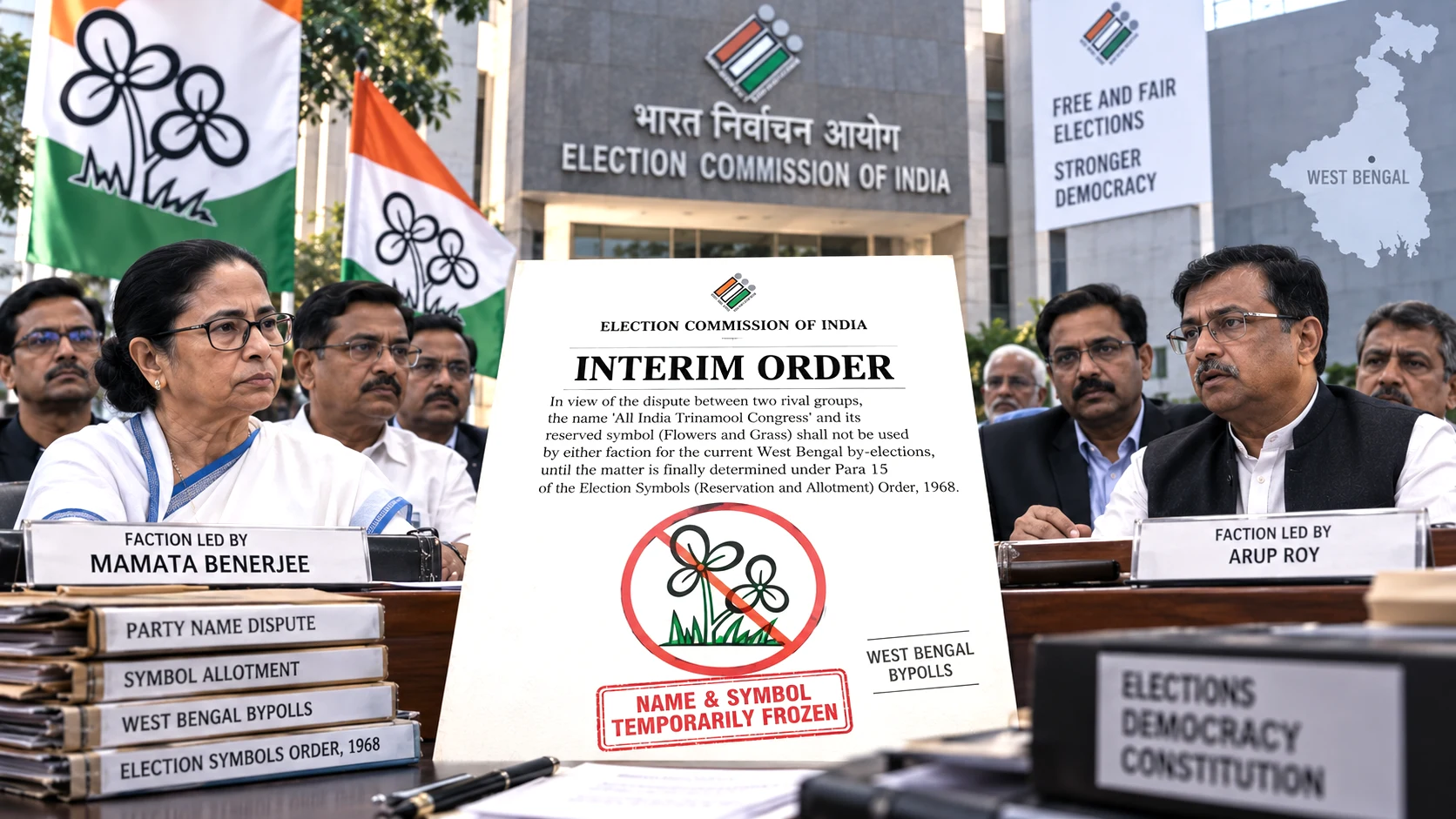
Neither the Mamata Banerjee group nor the rival faction formally represented before the Election Commission by Arup Roy can use the All India Trinamool Congress name or its reserved symbol in the October 6 bypolls. The order is temporary while the ECI decides the larger party-control dispute under P
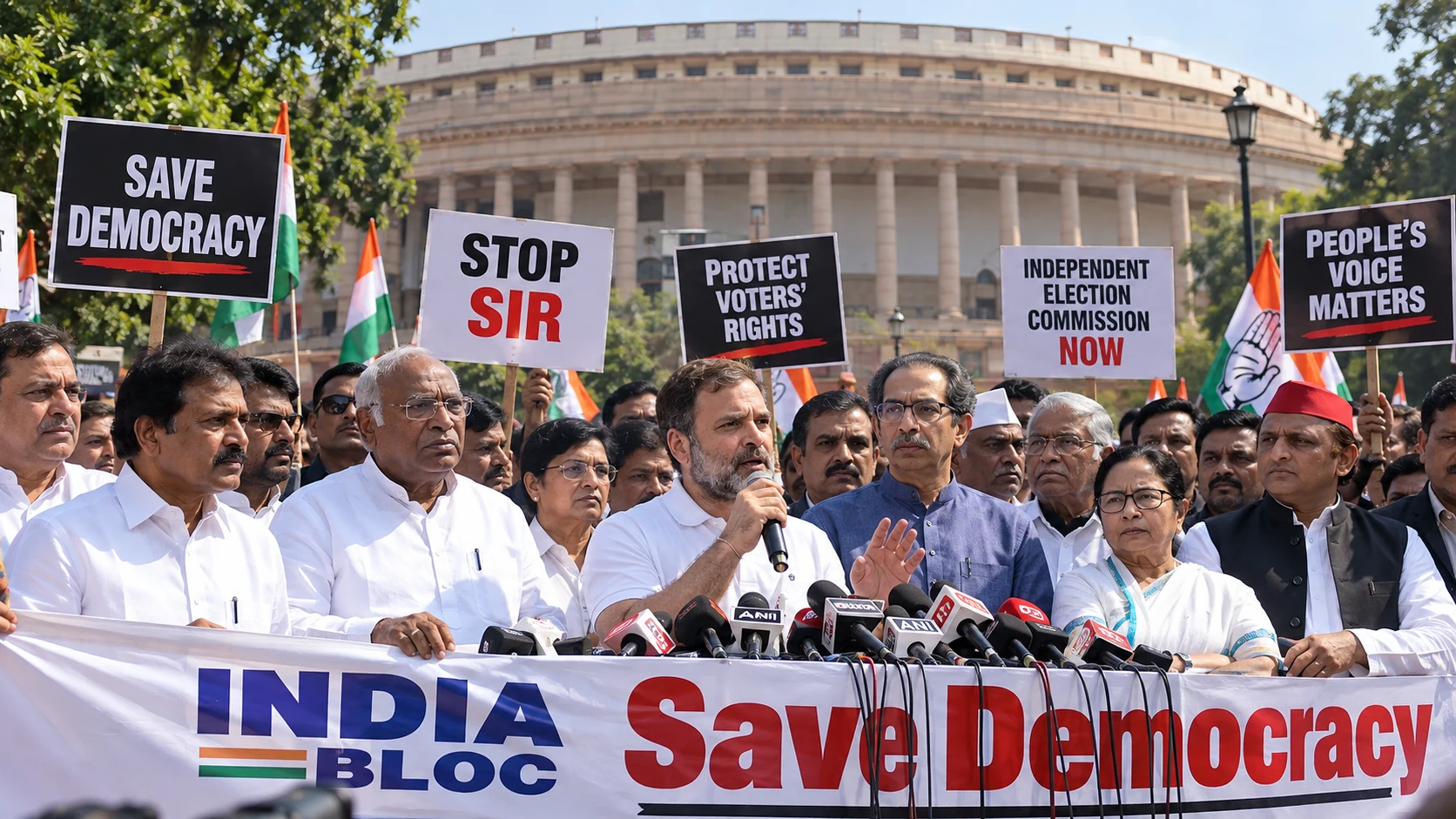
The INDIA bloc has announced nationwide “Save Democracy” marches from Oct. 2–8 over the Election Commission and SIR controversy, with MPs planning an Oct. 6 march to the EC. The BJP has rejected the allegations as political frustration after electoral defeats.
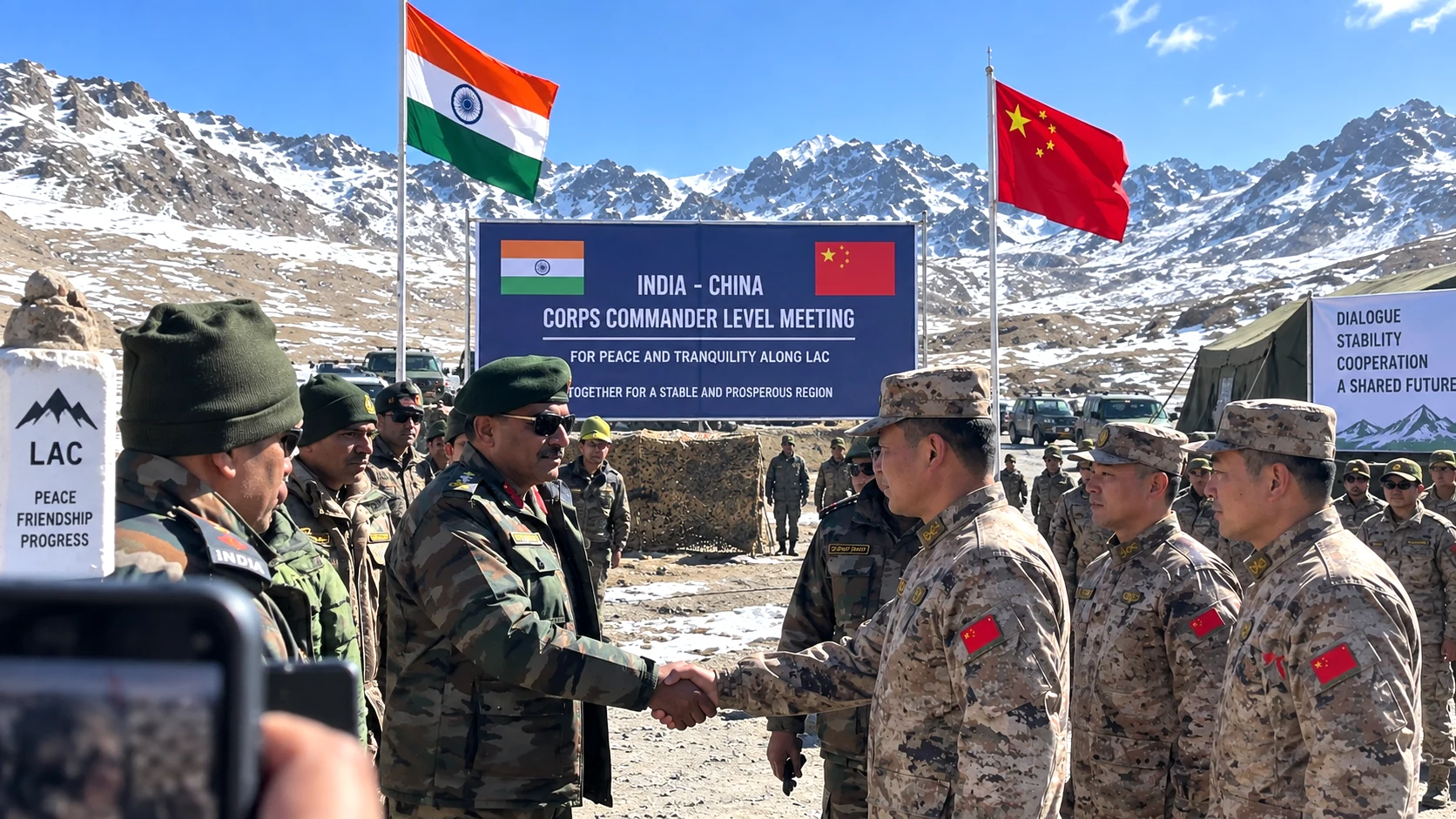
India and China held their first senior commander-level flag talks in the Arunachal sector ahead of the BRICS Summit, as Xi Jinping’s expected India visit draws attention.
India and Pakistan have summoned each other's diplomats after BSF personnel killed two Pakistani nationals along the Punjab border on October 2. New Delhi says they were infiltrators posing a security threat, while Islamabad says they were unarmed civilians.
The 18th BRICS Summit concluded in New Delhi with leaders adopting the New Delhi Declaration by consensus, as India handed the chairship to China for 2027.
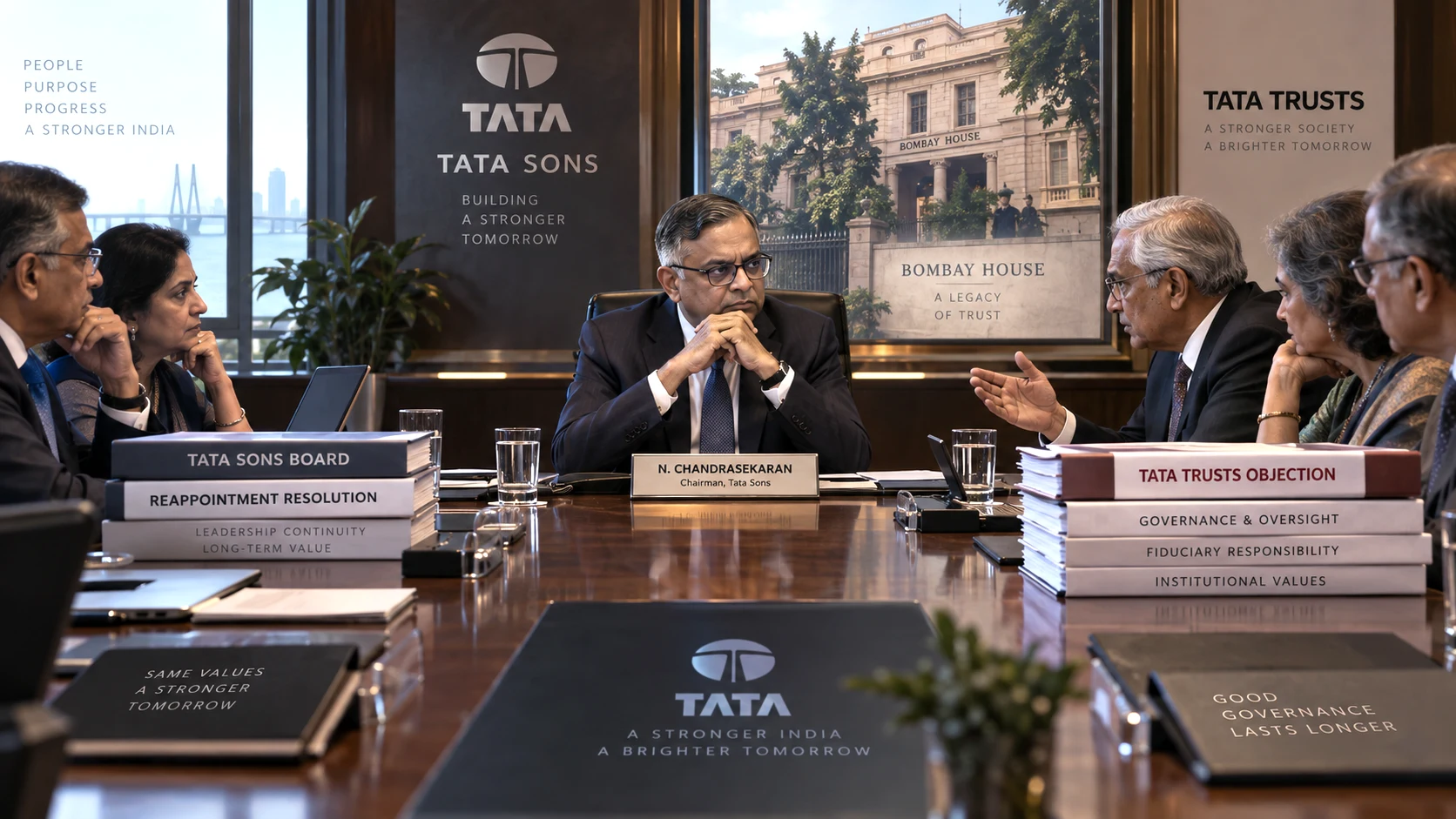
Tata Trusts has intensified its challenge to N. Chandrasekaran’s third term as chairman of Tata Sons, declaring the September 17 board resolution invalid and arguing that the required support of its nominee directors was never obtained. Tata Sons’ board approved the reappointment by 4-1, setting up






0 Comments