G7 Agrees to Release 100 Million Barrels of Oil Stocks as Fuel Prices Surge
G7 leaders have agreed to release 100 million barrels of emergency oil stocks over four months, with substantial diesel supplies due in the first 20 days, as geopolitical disruptions keep global fuel markets under pressure.
Strategic oil storage tanks and refinery infrastructure representing the G7 emergency release of oil and diesel reserves
Table of Contents (21 sections)
The Group of Seven has agreed to release 100 million barrels of emergency oil stocks over four months, escalating international efforts to contain severe pressure in global fuel markets as geopolitical disruptions continue to affect crude oil and, increasingly, diesel supplies.
The coordinated release is due to begin immediately, with G7 members and partner countries planning a front-loaded substantial release of diesel within the first 20 days, according to the official G7 leaders' statement issued after a virtual meeting on October 2.
The decision is significant because current market stress is not confined to crude oil. The International Energy Agency says crude exports from the Middle East have recovered substantially, but flows of refined petroleum products remain much more constrained, creating particularly acute pressure in diesel markets.
G7 leaders said the release will be coordinated through the International Energy Agency, or IEA, which has also been asked to monitor implementation and assess whether further action is necessary.
Recommended Reading
Related Stories & In-Depth Guides
Curated editorial perspectives matching this topic.
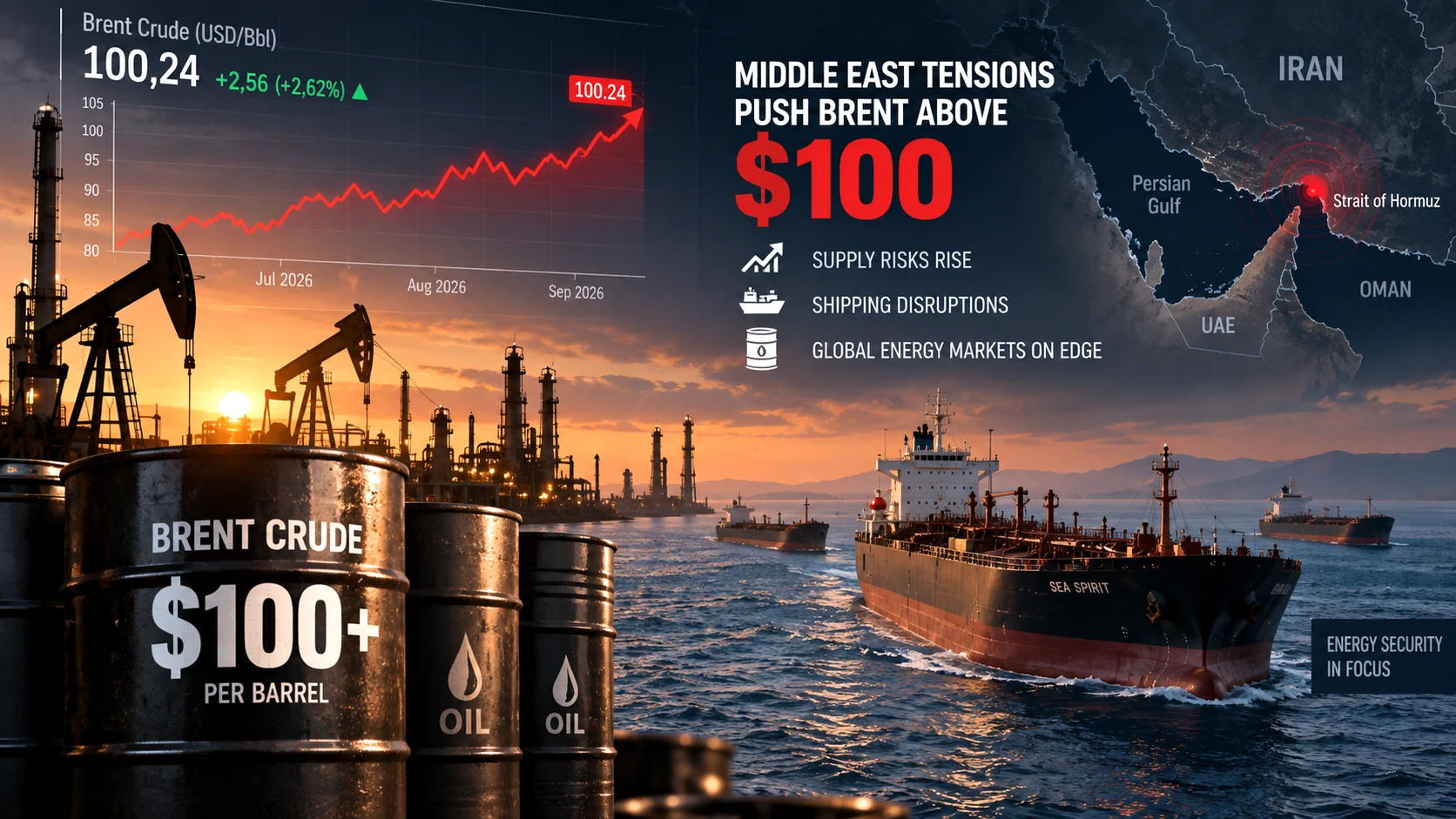
Brent crude remains above $100 as Iran says normal Strait of Hormuz passage will not resume until its conditions are met. A 100-million-barrel G7 emergency stock release and stronger Middle East exports are limiting further oil-price gains.
Sensex and Nifty opened higher and extended gains on September 23, led by metals, FMCG and realty stocks as crude oil eased and global cues improved. Bajaj Finance, Hindalco and Tata Steel were among the strongest Nifty gainers.
Key Points
The G7 has agreed to release 100 million barrels of oil stocks over four months.
The release is scheduled to begin immediately.
A substantial diesel release will be concentrated in the first 20 days.
The precise split between crude oil, diesel and other petroleum products has not been publicly disclosed.
The move follows severe volatility linked to the Strait of Hormuz crisis and wider disruptions to refined-fuel supplies.
G7 governments also agreed to avoid imposing energy export restrictions on one another.
The IEA will report on implementation and market effects within about 20 days.
Additional diesel releases remain possible if market conditions require them.
Is the Entire 100 Million Barrels Diesel?
No.
Some early headlines have described the action primarily as a diesel release because diesel shortages are one of the most urgent concerns facing policymakers.
However, the official G7 statement describes a coordinated release of 100 million barrels through the IEA, while separately specifying that a substantial quantity of diesel will be front-loaded during the first 20 days. Reuters similarly reported the package as diesel and other emergency reserves.
The final country-by-country allocation and exact division between crude oil and refined products have not been publicly detailed.
That distinction is important: it would be inaccurate to report that the G7 is releasing 100 million barrels of diesel alone.
Why Is the G7 Releasing Emergency Oil Stocks?
G7 leaders said they were responding to what they described as unusually severe volatility in oil markets and the threat that rising energy prices could pose to households, businesses and broader economic stability.
The immediate background is a combination of geopolitical and supply-side pressures.
The IEA said on October 2 that the continuing effects of the Strait of Hormuz crisis remain acute. While Middle Eastern crude exports have recovered considerably, refined-product flows remain severely restricted. The agency also said attacks on Russian refineries linked to the Russia-Ukraine war have added further pressure to diesel availability.
China's decision to suspend most refined-fuel exports during October has created another layer of supply uncertainty in Asian markets. Reuters reported that the move was tightening regional supplies of gasoline, diesel and other products at a time when inventories were already under strain.
The result is an unusual situation in which sufficient crude availability does not necessarily translate into adequate supplies of diesel and other refined fuels.
Why Diesel Has Become the Biggest Concern
Diesel is critical to freight transport, agriculture, construction, industrial machinery and many logistics networks.
A shortage or sharp increase in diesel prices can therefore spread beyond fuel stations into the cost of transporting food, manufactured goods and other products.
The IEA said the major source of stress has increasingly shifted towards refined petroleum products. Middle Eastern crude shipments have recovered, but disruption to refinery output and refined-product exports has left diesel markets comparatively tight.
Reuters cited market analysts making a similar distinction, saying the central problem had increasingly become refining capacity and product supply rather than simply crude availability.
That explains why the G7 agreement specifically requires diesel to be released more quickly than the remainder of the emergency stocks.
Diesel Release to Be Front-Loaded
Under the agreement, a significant quantity of diesel from G7 members and partner countries is expected to reach the market within the first 20 days.
The rest of the 100 million-barrel release will be implemented over a period of approximately four months.
The G7 has not yet disclosed precisely how many barrels of diesel will be released during that initial period.
Governments are also expected to meet through the IEA to discuss whether additional diesel supplies should be released if market pressures remain severe.
This Follows a Much Larger March Emergency Action
The October decision comes after an extraordinary emergency-stock action launched earlier in 2026.
In March, IEA member countries committed to make 400 million barrels of oil available to global markets following major Middle East supply disruptions.
By October 2, IEA Executive Director Fatih Birol said about 325 million barrels, or more than 80% of that earlier commitment, had already been released.
The new G7 statement explicitly links the latest action to the implementation of those March commitments and says the 100 million-barrel release will take into account commitments that have already been fulfilled.
For that reason, the October announcement should not automatically be interpreted as 100 million barrels entirely separate from every earlier 2026 commitment.
The precise relationship between earlier deliveries, outstanding national commitments and the latest coordinated programme is being overseen through the IEA.
What Is Happening in the Strait of Hormuz?
The Strait of Hormuz remains one of the most strategically important energy shipping routes in the world.
The G7 statement directly connected the energy-security response to continuing disruption around the strait and called for the restoration of navigational access and commercial flows.
The IEA said the consequences of the Hormuz crisis remain particularly serious for refined-product markets even as Middle Eastern crude shipments recover.
This helps explain why fuel markets have remained volatile despite improvements in headline crude-export volumes.
A return of crude shipments does not immediately repair damaged or disrupted refinery operations, replace lost diesel exports or rebuild depleted product inventories.
G7 Also Targets Refinery Bottlenecks
Releasing emergency stocks is only one part of the agreement.
G7 governments also said they would attempt to coordinate refinery maintenance schedules so that multiple major facilities are not taken offline at the same time.
Where technically possible, refineries will also be encouraged to increase utilisation rates temporarily.
The G7 said it would engage with other countries possessing significant refining capacity and encourage additional production of refined petroleum products, with particular attention to diesel.
These measures reflect a recognition that emergency reserves can provide temporary supply, but persistent refinery constraints require additional production if markets are to stabilise for a longer period.
G7 Rejects Energy Export Restrictions
Another important part of the agreement concerns trade.
G7 countries reaffirmed that they would refrain from imposing energy export restrictions between member countries and urged other producers not to introduce measures that could make shortages worse.
The commitment came after U.S. President Donald Trump had considered restricting American diesel exports as domestic prices rose.
After the G7 agreement, Trump said the United States would not proceed with a diesel export ban.
European countries are particularly sensitive to U.S. diesel availability because they have become significant importers of American refined fuels.
Restricting those exports could potentially lower domestic U.S. supply pressure in the short term while making European shortages more severe, which in turn could disrupt international markets.
The G7 therefore opted for coordinated stock releases rather than competing national restrictions.
What Happened to Oil Prices After the Announcement?
Markets responded quickly to expectations that more emergency supplies would become available.
On October 2, Brent crude settled at approximately $102.25 a barrel, while U.S. West Texas Intermediate settled at $91.11, according to Reuters. WTI fell by $1.76 during the session.
Diesel and European gasoil markets also weakened as traders factored additional reserve supplies into expectations.
IEA Executive Director Fatih Birol subsequently said oil prices had begun falling following the reserve-release decision and indicated that the agency remained prepared to consider further action if necessary.
However, emergency stock releases do not guarantee permanently lower fuel prices.
Prices can move again depending on geopolitical developments, refinery disruptions, shipping risks, inventory levels, demand and production decisions by major exporters.
Why Strategic Reserves Can Affect Prices
Emergency oil stocks are designed primarily to protect economies during serious supply disruptions.
When governments release those stocks, additional crude or refined products enter the market.
If the extra supply is large enough relative to the shortage, it may:
ease immediate physical shortages;
reduce competition for available cargoes;
rebuild commercial inventories;
reduce extreme price premiums;
and reassure traders that governments can intervene if conditions deteriorate.
But reserve releases do not create new permanent production capacity.
Once emergency barrels are consumed, governments may eventually need to replenish their stockpiles.
The G7 has therefore asked the IEA to include stock replenishment recommendations in its follow-up assessment.
Could More Oil Be Released?
Yes.
The October statement leaves that possibility open.
G7 leaders said they would meet through the IEA in the coming days to discuss additional diesel releases if necessary.
The IEA is also expected to monitor how quickly the announced supplies enter the market and whether they materially improve energy security and price stability.
Its follow-up report is due within roughly 20 days and is expected to include recommendations on future measures and eventually rebuilding emergency stock levels.
That report will be important because the initial market reaction alone cannot determine whether the release has solved the underlying supply imbalance.
Which Countries Make Up the G7?
The Group of Seven consists of:
Canada
France
Germany
Italy
Japan
the United Kingdom
the United States
The European Union also participates in G7 discussions.
France holds the G7 presidency in 2026 and President Emmanuel Macron convened the October 2 virtual leaders' meeting on energy security. IEA Executive Director Fatih Birol participated in the meeting.
What Does the G7 Decision Mean for India?
India is not a G7 member.
It is currently classified by the IEA as an Association country, rather than a full IEA member participating under the same emergency-stock obligations as member states.
The October G7 announcement does not state that India will release oil from its own strategic reserves.
For India, the more important effect is likely to be indirect.
As a major crude-oil importer, India can be affected by movements in international crude and refined-fuel markets. If emergency releases succeed in reducing global prices or risk premiums, that could ease some imported energy-cost pressure.
However, a fall in international crude does not automatically translate into an equivalent reduction in Indian petrol or diesel retail prices.
Domestic pricing also depends on factors including refining economics, exchange rates, taxes, marketing margins and individual pricing decisions.
Why This Matters Beyond Petrol Pumps
High energy prices can affect much more than motorists.
Diesel is closely connected with:
road freight;
agricultural equipment;
construction machinery;
mining;
manufacturing;
shipping and logistics;
backup electricity generation;
and food distribution.
Sustained fuel-price increases can therefore contribute to broader inflation and increase operating costs for businesses.
That is why the G7 statement describes energy prices as an economic-stability issue rather than simply a transport-fuel issue.
Will the 100 Million-Barrel Release Solve the Energy Crisis?
It may help reduce immediate pressure, but it is too early to conclude that it will fully stabilise markets.
The main uncertainties include:
whether shipping through the Strait of Hormuz normalises;
the extent of further damage to Russian refining infrastructure;
China's future refined-fuel export policy;
global refinery operating rates;
commercial inventory levels;
and whether geopolitical tensions escalate again.
The IEA has already warned that diesel supply remains unusually tight despite the recovery in Middle Eastern crude exports.
Emergency reserves can bridge supply disruptions, but they cannot indefinitely replace normal production, refining and trade flows.
What Happens Next?
Several developments will determine whether the G7 intervention succeeds.
First, the market will watch how quickly the promised diesel reaches consumers and commercial supply chains during the first 20 days.
Second, the IEA will monitor implementation of the wider 100 million-barrel programme.
Third, G7 governments may consider additional diesel releases if prices or shortages remain severe.
Fourth, governments will have to determine how and when emergency inventories should eventually be replenished.
And finally, energy markets will remain highly sensitive to developments in the Middle East, Russia, Ukraine and major refining centres.
The G7 agreement is therefore best understood as a short-term market stabilisation measure during an unusually severe supply shock, rather than a permanent solution to the geopolitical problems driving energy volatility.
Latest Verified Position
As of October 4, 2026:
G7 leaders have formally agreed to a 100 million-barrel coordinated emergency-stock release.
The programme is scheduled to begin immediately and run over four months.
A substantial amount of diesel is expected to be released during the first 20 days.
The exact diesel-versus-crude breakdown has not been publicly disclosed.
The IEA says roughly 325 million barrels from the earlier 400 million-barrel March emergency action had already reached markets by October 2.
Refined-product shortages, especially diesel, remain a larger immediate concern than headline crude availability.
The G7 is leaving open the possibility of further diesel releases if market conditions require them.
Frequently Asked Questions
How much oil will the G7 release?
The G7 has agreed to a coordinated release of 100 million barrels over approximately four months.
Is the G7 releasing 100 million barrels of diesel?
No. The 100 million barrels cover the overall coordinated oil-stock release. A substantial quantity of diesel will be released first, but the exact diesel volume has not been disclosed.
When will the G7 oil release begin?
The G7 said implementation would begin immediately, with substantial diesel supplies front-loaded into the first 20 days.
Why are diesel prices under pressure?
The IEA says refined-product supplies remain constrained even though Middle Eastern crude exports have recovered. Russian refinery disruptions have also contributed to pressure, while China has restricted fuel exports during October.
Is this separate from the March 2026 emergency oil release?
The October G7 statement explicitly connects the action with implementation of the March commitments. The IEA says around 325 million barrels of the earlier 400 million-barrel action had already been released by October 2.
Will petrol and diesel prices definitely fall?
No. Additional supply may reduce market pressure, but fuel prices also depend on geopolitical developments, refinery capacity, inventories, demand, exchange rates, taxes and other market factors.
Is India releasing strategic oil reserves under this G7 agreement?
The G7 statement does not say that India will participate in this release. India is not a G7 member and is currently an IEA Association country.
Could the G7 release more diesel?
Yes. G7 leaders said further diesel releases could be discussed through the IEA if necessary.
Bottom Line
G7 leaders have agreed to release 100 million barrels of emergency oil stocks over four months, beginning immediately. A substantial diesel component will be front-loaded in the first 20 days.
The move aims to ease severe pressure in refined-fuel markets, especially diesel, amid geopolitical disruptions. Further releases remain possible if needed.
Key Takeaway
G7: 100 million barrels of oil stocks over 4 months.
The Rajatheertha Team publishes news, explainers, guides and updates across India and the world. Our coverage follows Rajatheertha's editorial, verification and corrections standards.
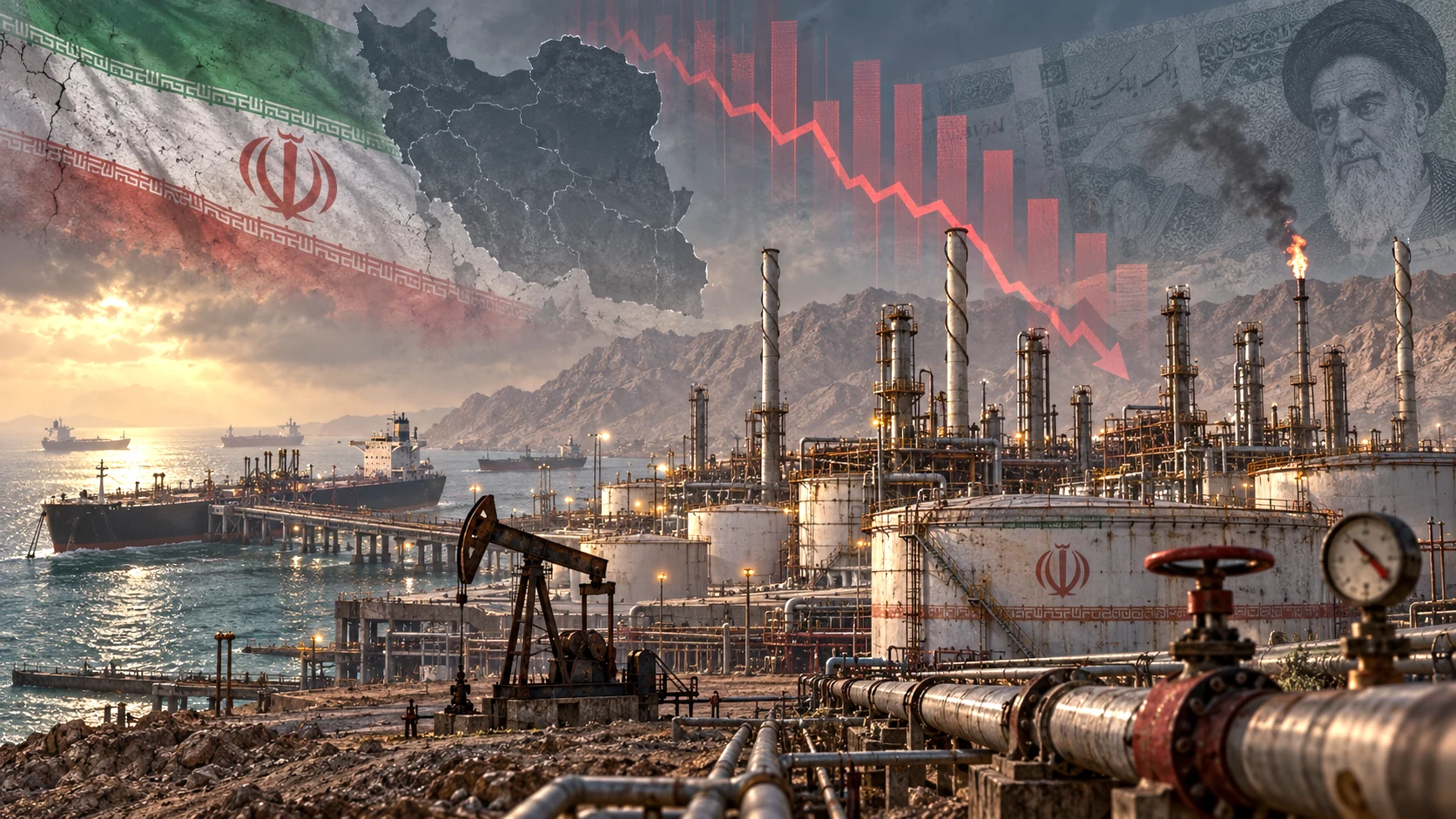
Iran’s economy contracted by 10.1% year-on-year during the first quarter of its current Persian calendar year, according to official data, with a collapse in oil and natural-gas activity driving much of the decline. The figures cover the first months of the US-Israel conflict with Iran, although the
Brent crude has surged above $100 as US-Iran hostilities disrupt Middle East oil supplies, raising concerns over inflation, markets and India’s import costs.
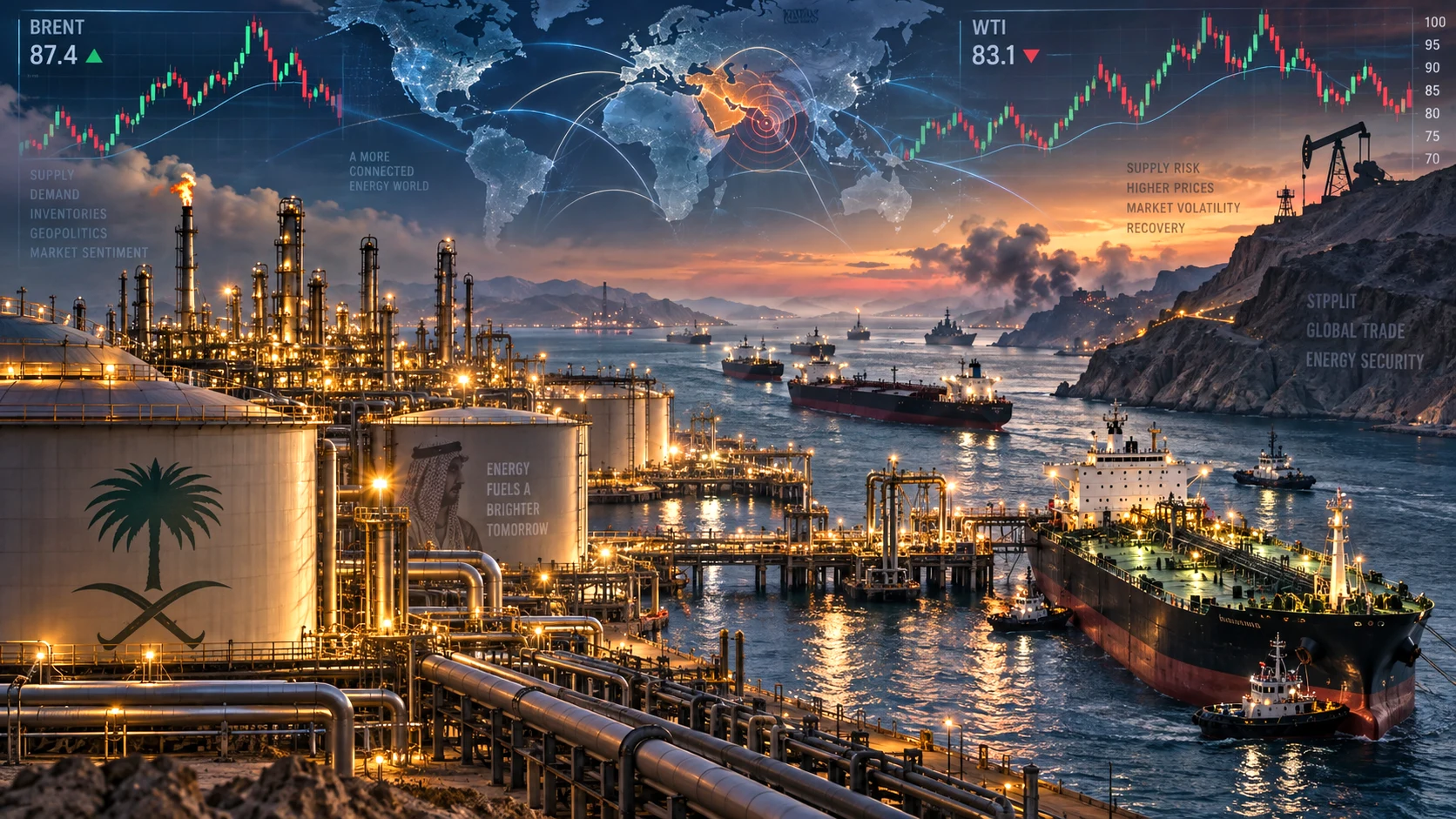
Global crude oil prices fell sharply on September 21, 2026, with Brent dropping toward $102 a barrel and US West Texas Intermediate slipping below $99, as recovering Saudi Arabian export flows and hopes for renewed US-Iran diplomacy outweighed immediate fears from Houthi missile and drone attacks on
The Union Cabinet has approved the first increase in the EPFO wage ceiling since 2014, raising it from ₹15,000 to ₹25,000 a month. The change expands mandatory provident fund coverage, but it does not mean every employee earning above ₹25,000 loses EPF eligibility or that ₹25,000 will be deducted fr
The claim is confirmed by the Bloomberg Billionaires Index and fresh September 18 reporting. Zhang Yiming’s estimated wealth has climbed to about $105 billion as higher ByteDance valuations and the company’s expanding AI business push him ahead of Gautam Adani.
Sensex and Nifty rebounded on September 25 after Thursday's sharp selloff. At 2:35 PM IST, Sensex was up 328 points at 73,908 while Nifty gained 68 points to 23,131, helped by value buying and softer crude.










0 Comments