Tata Sons Board Backs Chandrasekaran for Third Five-Year Term; Tata Trusts Challenges Reappointment
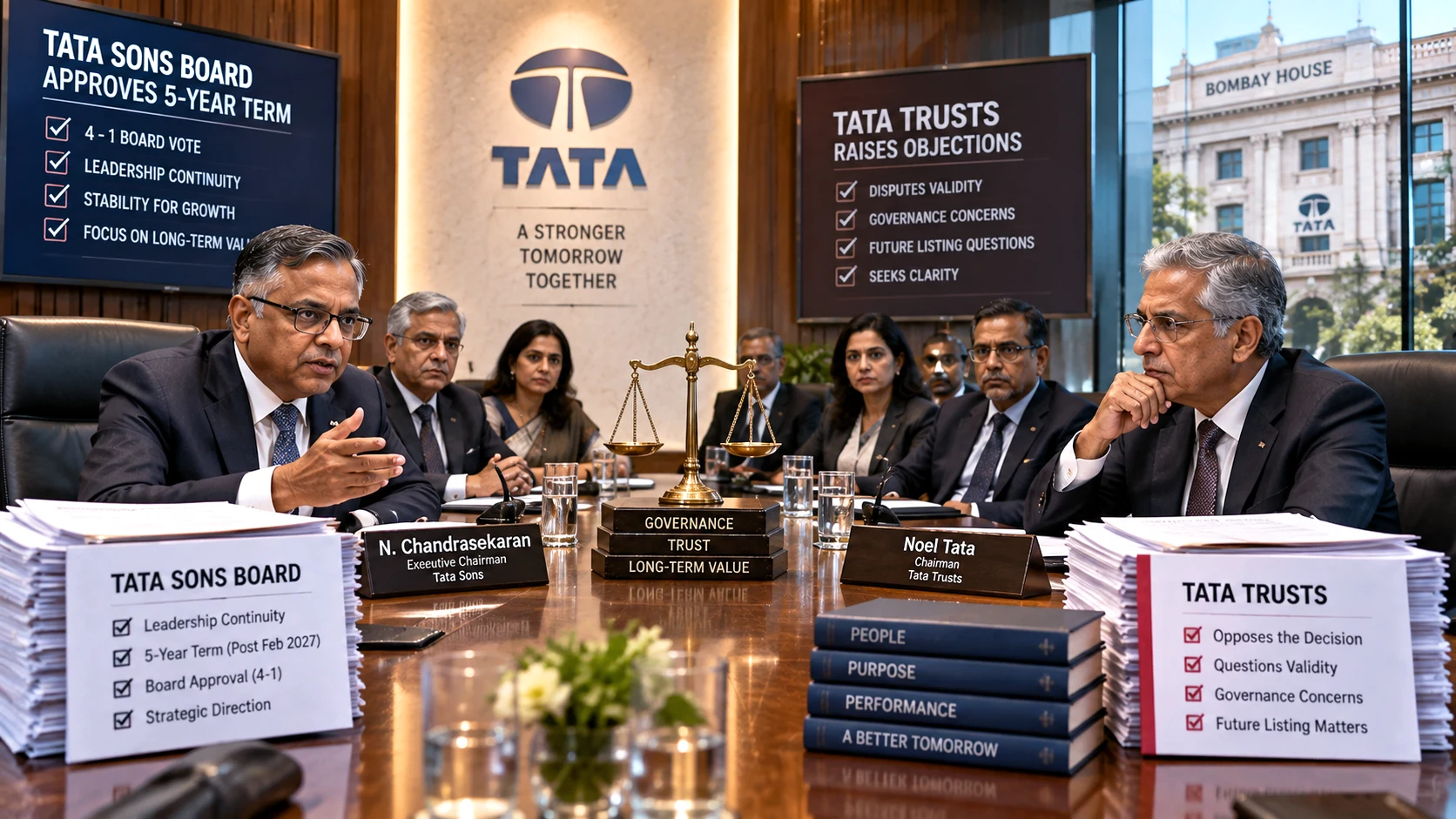
The Tata Sons board voted 4-1 to give N. Chandrasekaran another five years as executive chairman after his current term ends in February 2027. Noel Tata opposed the proposal, while Tata Trusts has formally argued that the resolution is invalid under Tata Sons’ Articles of Association.
Tata Sons has moved to retain N. Chandrasekaran at the head of India’s largest business group for another five years, but the decision has immediately opened a significant governance dispute with Tata Trusts, its controlling shareholder.
At a board meeting on September 17, Tata Sons directors voted 4-1 in favour of reappointing Chandrasekaran as executive chairman for a further five-year term after his present tenure expires on February 20, 2027. Noel Tata, chairman of Tata Trusts and one of its nominee directors on the Tata Sons board, cast the sole opposing vote.
The vote would ordinarily signal continuity at the top of the Tata Group. In this case, however, it has triggered an unusually public disagreement over whether the board had the authority to approve the reappointment without the support of both Tata Trusts nominee directors.
Tata Trusts issued a formal statement after the meeting saying it considers the resolution legally invalid under Tata Sons’ Articles of Association. The Trusts said Noel Tata’s dissent meant the required support from its nominee directors had not been obtained.
The competing positions mean Chandrasekaran’s third term cannot yet be viewed simply as an uncontested leadership extension.
Key Takeaways
Tata Sons’ board voted 4-1 on September 17 to reappoint N. Chandrasekaran as executive chairman for another five-year term.
Recommended Reading
Related Stories & In-Depth Guides
Curated editorial perspectives matching this topic.
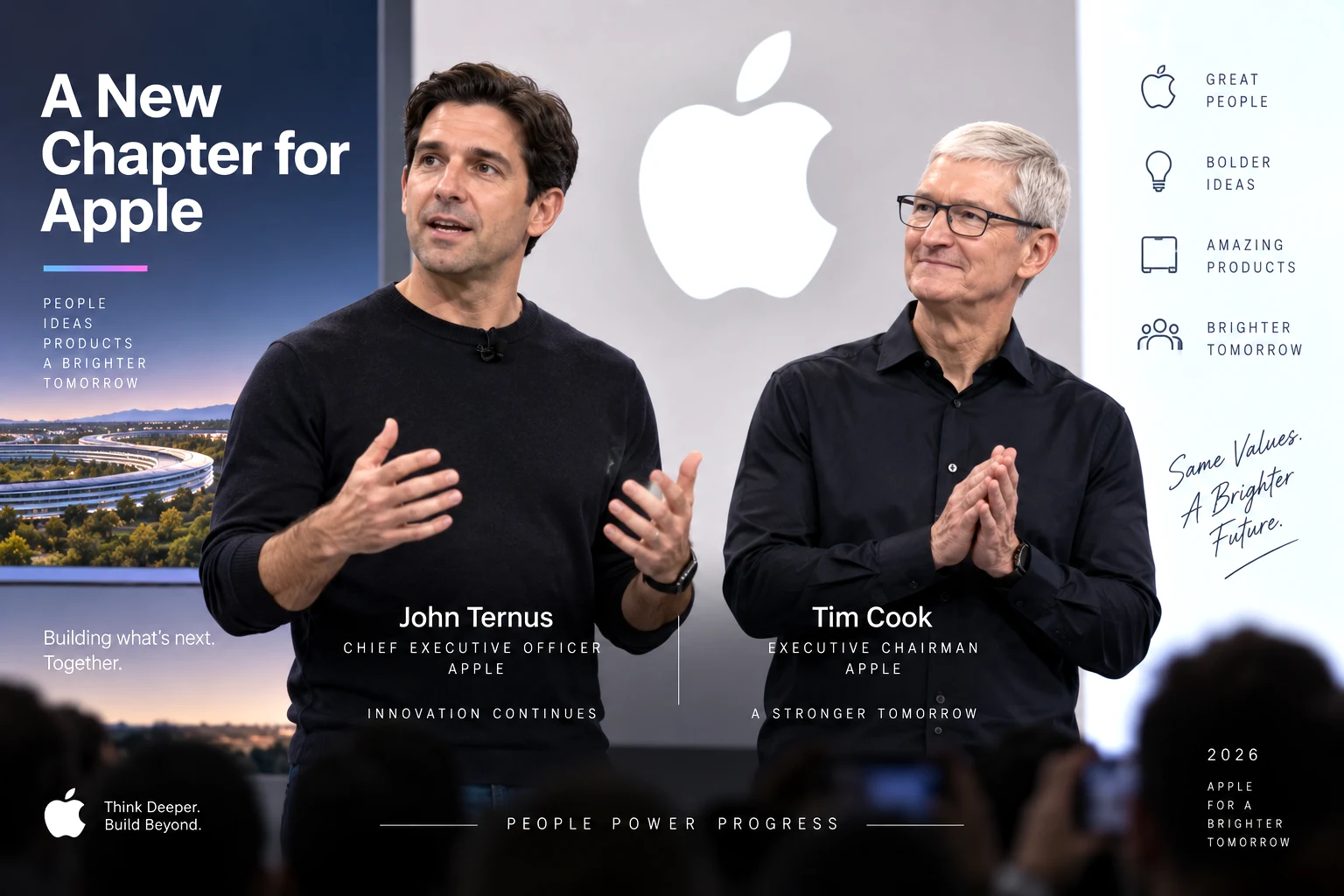
John Ternus has officially succeeded Tim Cook as Apple CEO, while Cook remains at the technology giant as executive chairman after 15 years at the helm.
Indian Oil has approved ₹2,448.70 crore for a 424.65-km natural gas pipeline linking Kochi with Thoothukudi via Kanyakumari. The project will have 6.84 MMSCMD capacity and strengthen gas connectivity across southern India.
Chandrasekaran’s current term runs until February 20, 2027.
The decision reverses his August 12 announcement that he would not seek another term.
Tata Trusts Chairman Noel Tata voted against the reappointment; the other Trust-nominated director, Venu Srinivasan, supported it.
Tata Trusts, which owns about 66% of Tata Sons, says the board resolution is a “legal nullity” under the company’s Articles of Association.
That is Tata Trusts’ legal position, not a court ruling. The validity and implementation of the reappointment remain contested.
Board Votes 4-1 for Chandrasekaran
Tata Sons said its board had asked Chandrasekaran to reconsider an earlier decision not to seek another term.
Chandrasekaran agreed to that request, after which the board approved his reappointment by majority vote for another five years following the end of his current tenure. Tata Sons described the reconsideration as being sought in the wider interests of the group.
Business Standard reported that the final vote was 4-1, with Noel Tata the only director opposing the proposal.
Venu Srinivasan, the second Tata Trusts nominee on the Tata Sons board, supported the reappointment, according to The Indian Express.
That split between the two Trust-nominated directors has become central to the dispute over whether the majority board vote is sufficient.
Chandrasekaran Had Said He Would Leave in 2027
The September decision represents a reversal of Chandrasekaran’s position just over a month earlier.
On August 12, Chandrasekaran informed the Tata Sons board that he would complete his existing term but would not offer himself for reappointment when it expires on February 20, 2027.
Tata Trusts says it formally accepted that decision on August 13 and advised Tata Sons to begin the process of establishing a selection committee to identify a successor.
According to the Trusts, Chandrasekaran’s decision had therefore moved beyond a private expression of intent and had already been acted upon by the majority shareholder and other stakeholders.
The Tata Sons board took a different course on September 17 by asking him to reconsider.
Chandrasekaran agreed.
Tata Trusts Calls the Resolution a ‘Legal Nullity’
The strongest challenge came directly from Tata Trusts after the board meeting.
In an official statement, the Trusts said the resolution was a “legal nullity” because Tata Sons’ Articles of Association require a majority of Tata Trusts’ nominee directors to vote in favour of a chairman’s appointment or reappointment.
There are currently two Trust nominee directors involved in the dispute: Noel Tata and Venu Srinivasan.
The Trusts’ position is that, with only two such nominees, both would need to support the chairman’s appointment for the requirement to be satisfied. Noel Tata’s vote against Chandrasekaran therefore invalidated the resolution, according to the Trusts’ interpretation.
This should be described carefully.
Tata Trusts has formally declared the resolution invalid, but that does not amount to a judicial determination. No court ruling cited in the available material has established that the board’s September 17 vote is legally void.
It is a disputed corporate-governance question that could require further board, shareholder or legal proceedings.
Former Chief Justice D.Y. Chandrachud’s Opinion Cited
Noel Tata also submitted a legal opinion from former Chief Justice of India D.Y. Chandrachud in support of the Trusts’ interpretation of Tata Sons’ governance rules.
Tata Trusts said the opinion supported its position and alleged that it was not taken note of by the Tata Sons board.
A legal opinion from a former Chief Justice can carry considerable weight, but it is still an advisory opinion rather than a binding judicial order.
The eventual legal position would depend on the wording of Tata Sons’ Articles of Association, applicable company law and, if the disagreement moves to litigation, any ruling by the competent court or tribunal.
Why Noel Tata Opposed the Reappointment
Noel Tata’s objection goes beyond simply preferring a different chairman.
According to the Tata Trusts statement, he argued that Chandrasekaran had freely and clearly decided in August not to seek another term and that the Trusts had already accepted that position.
The Trusts said that once the decision had been publicly communicated, employees, lenders, business counterparties, markets and the majority shareholder had proceeded on that basis. It therefore considered the August decision to have attained finality.
The Trusts continues to support beginning a formal succession process instead of reversing the earlier decision.
Tata Sons, by contrast, concluded that Chandrasekaran could reconsider and that the board could approve another term through its September 17 majority vote.
Chandrasekaran Would Be Entering a Third Term
Chandrasekaran became chairman of Tata Sons in 2017 after previously leading Tata Consultancy Services.
He was reappointed for a second five-year term in 2022, and that tenure is scheduled to end on February 20, 2027.
If the new appointment ultimately takes effect, it would amount to a third term at the head of Tata Sons.
Chandrasekaran has overseen a period of substantial investment and restructuring across the group, including Air India, electronics and semiconductor projects, electric vehicles, digital businesses and major industrial expansion.
At the same time, the group is dealing with significant strategic challenges, including losses at Air India and pressure on some other businesses. Reuters reported that disagreements between Chandrasekaran and the Noel Tata-led Trusts have extended beyond succession to issues including Air India, a potential Tata Sons listing and the planned exit of a minority shareholder.
Tata Trusts Controls About 66% of Tata Sons
The dispute carries unusual significance because Tata Trusts is not merely an outside institutional shareholder.
The philanthropic trusts collectively own approximately 66% of Tata Sons, giving them majority ownership of the holding company at the centre of the Tata Group.
The Shapoorji Pallonji Group is the second-largest shareholder, with roughly 18.4%, according to current reports.
This ownership structure gives Tata Trusts substantial influence over major shareholder decisions, even where a proposal receives majority support at the Tata Sons board level.
The disagreement therefore raises a broader question: how the powers of the board interact with special rights and governance provisions associated with the Trusts.
Reappointment Dispute Comes Alongside Tata Sons Listing Debate
Chandrasekaran’s future is not the only major issue dividing Tata Sons and Tata Trusts.
The September 17 board meeting also addressed how the company should respond to Reserve Bank of India requirements affecting Tata Sons’ regulatory status.
The RBI classified Tata Sons as an upper-layer non-banking financial company in September 2022. Tata Sons later attempted to surrender its Core Investment Company registration, a route that could have changed the regulatory position surrounding a potential listing.
The RBI rejected that deregistration request on September 11, 2026.
Tata Sons subsequently said it would begin steps to comply with applicable RBI guidelines and seek guidance from the central bank, Tata Trusts and other stakeholders on the compliance requirements.
Reuters reported that Noel Tata also opposed a potential public listing during the September 17 meeting.
Tata Trusts has separately maintained that no final decision to list Tata Sons has been agreed and has argued for examining alternatives.
Two Governance Questions Are Now Intertwined
The leadership and listing disputes are legally distinct, but they have become intertwined because both concern the future structure of Tata Sons.
One question is who will lead the holding company after February 2027.
The second is whether Tata Sons will eventually become a publicly traded company or find another route to satisfy RBI requirements while remaining private.
Tata Trusts has taken positions opposing both Chandrasekaran’s reappointment under the September 17 process and a straightforward move towards listing.
The Tata Sons board, meanwhile, has backed Chandrasekaran and said the company will take steps to comply with RBI requirements.
That leaves the Tata Group confronting a governance disagreement at the same time as a major regulatory decision.
Is Chandrasekaran’s Reappointment Final?
Not necessarily.
The board has clearly approved a fresh five-year term by majority vote, and Tata Sons has publicly stated that Chandrasekaran agreed to reconsider his earlier decision and remain available.
But Tata Trusts has formally challenged the validity of that resolution.
The controlling shareholder says the reappointment cannot be valid under Tata Sons’ Articles because Noel Tata, one of the two Trust nominee directors, voted against it.
The Indian Express has also reported that further shareholder approval could become relevant, adding another possible stage before the dispute is settled.
For that reason, headlines saying Chandrasekaran has simply secured an undisputed five-year extension would leave out a material part of the story.
The more precise position is that the Tata Sons board has approved the reappointment, while Tata Trusts disputes its legal validity.
What Happens Next
Attention will now turn to how Tata Sons and Tata Trusts attempt to resolve the conflict.
Possible next steps include further discussions between directors and shareholders, examination of Tata Sons’ Articles of Association, decisions surrounding the company’s annual general meeting and, if no internal resolution is reached, potential legal proceedings.
Tata Trusts says it remains committed to an orderly leadership transition and continues to support the process for selecting a successor.
Tata Sons’ board has instead backed continuity under Chandrasekaran.
The listing issue will proceed in parallel, with Tata Sons needing to determine how it will comply with the RBI’s regulatory requirements following the rejection of its deregistration application.
Bottom Line
The Tata Sons board has approved a third five-year term for N. Chandrasekaran as executive chairman after asking him to reverse his August decision not to seek reappointment.
The September 17 proposal passed 4-1, with Noel Tata voting against it. Chandrasekaran’s present tenure ends on February 20, 2027.
However, the decision is now formally disputed by Tata Trusts, which owns about 66% of Tata Sons.
The Trusts argues that Tata Sons’ Articles require support from both of its nominee directors and says Noel Tata’s dissent renders the resolution legally invalid. It has cited a legal opinion from former Chief Justice D.Y. Chandrachud in support of its interpretation.
That claim has not been established through a court ruling.
For now, therefore, the central fact is not simply that Chandrasekaran has been handed another five years. It is that the Tata Sons board has backed his continuation while the company’s controlling shareholder is challenging the validity of the process used to approve it.
Key Takeaway
Tata Sons board votes 4-1 to reappoint Chandrasekaran for five more years.
Noel Tata opposes; Tata Trusts calls the resolution a legal nullity.
Current term ends February 2027; validity remains contested.
Governance dispute intertwined with listing and RBI issues.
The Rajatheertha Team publishes news, explainers, guides and updates across India and the world. Our coverage follows Rajatheertha's editorial, verification and corrections standards.
The claim is confirmed by the Bloomberg Billionaires Index and fresh September 18 reporting. Zhang Yiming’s estimated wealth has climbed to about $105 billion as higher ByteDance valuations and the company’s expanding AI business push him ahead of Gautam Adani.
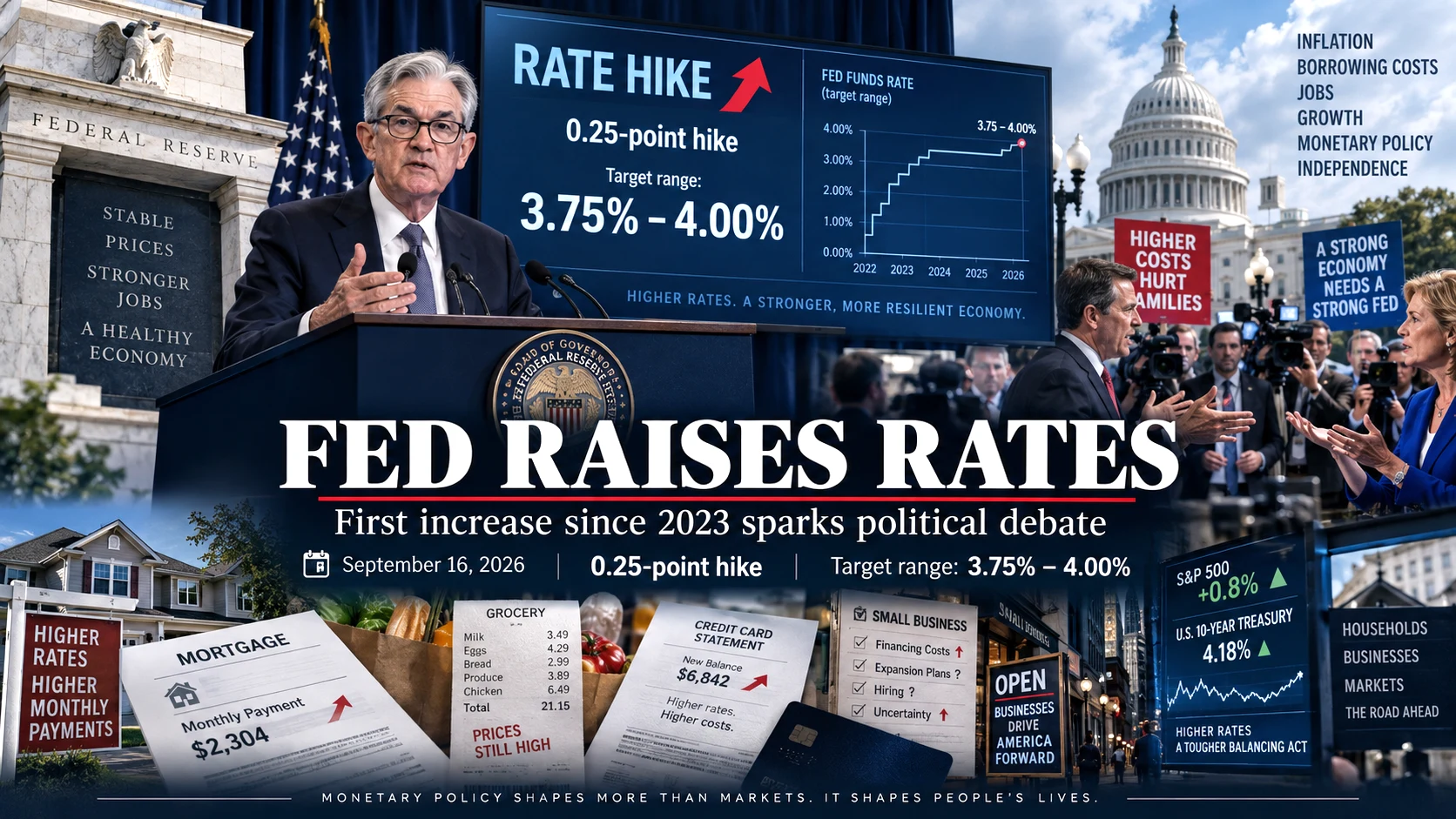
The Federal Reserve unanimously lifted its benchmark rate by 25 basis points to 3.75%-4.00% as inflation remained stubbornly above target. President Donald Trump demanded rates of 1% or lower and attacked the Fed board as political, although he said he still has confidence in Chair Kevin Warsh.
ONGC has struck natural gas at a deepwater well about 43 km off Konark in Odisha's Mahanadi Offshore Basin. The well has shown encouraging flow and reservoir pressure, but reserve size and commercial viability still require appraisal.
Claude maker Anthropic is preparing for a potentially historic IPO, with investors discussing a valuation of $2 trillion or more, though the filing timetable remains subject to change.
Global crude oil prices fell sharply on September 21, 2026, with Brent dropping toward $102 a barrel and US West Texas Intermediate slipping below $99, as recovering Saudi Arabian export flows and hopes for renewed US-Iran diplomacy outweighed immediate fears from Houthi missile and drone attacks on
Brent crude has surged above $100 as US-Iran hostilities disrupt Middle East oil supplies, raising concerns over inflation, markets and India’s import costs.








0 Comments