India’s August Goods Exports Rise 26% to $43.81 Billion; Trade Deficit Narrows to $26.86 Billion
Merchandise exports recorded strong year-on-year growth in August 2026, led by electronics, petroleum products and engineering goods. The goods trade deficit fell sharply from July, helped partly by lower gold imports, although merchandise imports remained elevated at $70.67 billion.
India’s strong merchandise export growth and narrowing trade deficit in August 2026
Table of Contents (18 sections)
India’s merchandise exports posted a strong year-on-year increase in August 2026, rising to $43.81 billion as shipments of electronics, petroleum products, engineering goods and chemicals expanded sharply.
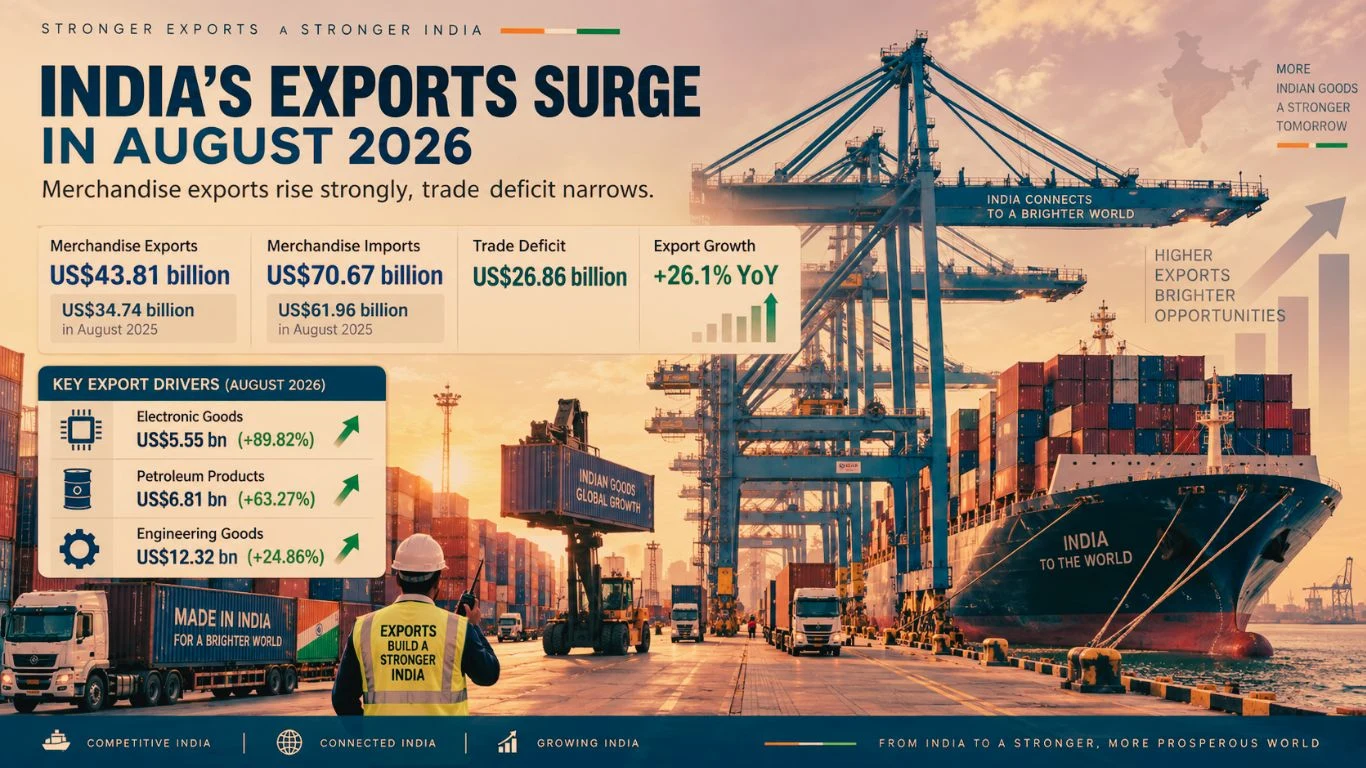
Official Commerce Ministry data released on September 15 showed that merchandise exports increased from $34.74 billion in August 2025 to $43.81 billion this August. Based on those published values, the increase is approximately 26.1% year-on-year.
Merchandise imports also increased, reaching $70.67 billion, compared with $61.96 billion a year earlier.
The difference between imports and exports left India with a goods trade deficit of $26.86 billion.
That represented a substantial improvement from the $31.98-billion deficit recorded in July, although the year-on-year improvement was much smaller: the merchandise deficit in August 2025 was approximately $27.22 billion.
The distinction matters.
Recommended Reading
Related Stories & In-Depth Guides
Curated editorial perspectives matching this topic.
India received a record $94.53 billion in total FDI in FY2025-26, up about 17% from the previous year. Singapore led equity investment, software and hardware was the top sector, while Maharashtra attracted the most FDI equity.
The New Delhi Declaration backs more interoperable payment systems and voluntary use of national currencies while calling for diversified critical-mineral supply chains, as India’s expanding semiconductor ecosystem highlights the commercial stakes behind the resilience agenda.
August was unquestionably a strong month for export growth, but the sharp headline narrowing in the deficit was primarily a month-on-month improvement, rather than a dramatic year-on-year reduction.
Key Takeaways
India’s merchandise exports reached $43.81 billion in August 2026, up from $34.74 billion a year earlier — growth of about 26.1%.
Merchandise imports stood at $70.67 billion, compared with $61.96 billion in August 2025.
The merchandise trade deficit narrowed to $26.86 billion, from $31.98 billion in July.
Compared with August 2025, however, the deficit narrowed only modestly from about $27.22 billion.
Electronics exports surged 89.82% year-on-year to $5.55 billion.
Petroleum-product exports rose 63.27% to $6.81 billion, while engineering-goods exports increased 24.86% to $12.32 billion.
Gold imports fell sharply month-on-month to about $2.3 billion from $4.16 billion in July, helping reduce the deficit.
India’s estimated combined exports of goods and services reached $82.68 billion in August, up 25.41% year-on-year.
August services figures are estimates because the latest actual RBI services data available to the Commerce Ministry were for July.
Goods Exports Reach $43.81 Billion
The Commerce Ministry’s official provisional trade data show:
August 2026 merchandise exports: $43.81 billion
August 2025 merchandise exports: $34.74 billion
That represents growth of roughly 26.1%.
Some reports describe the increase as 26.13%, while others round it to 26%. The underlying official dollar figures support a description of approximately 26% year-on-year growth.
The August total was also the highest merchandise-export value for the month of August in at least a decade, according to Reuters.
However, exports were slightly below July’s $44.24 billion.
That means the 26% increase reflects comparison with a weaker August 2025 base rather than month-on-month acceleration from July.
Electronics Exports Jump Nearly 90%
Electronic goods were one of the strongest contributors to August’s export growth.
Official data show electronic-goods exports climbed from $2.93 billion in August 2025 to $5.55 billion in August 2026, an increase of 89.82%.
That performance reinforces electronics as an increasingly significant component of India’s merchandise-export basket.
The sector has expanded alongside growth in domestic electronics assembly and manufacturing, although one strong monthly figure by itself does not establish a permanent change in export competitiveness.
Engineering Goods Rise to $12.32 Billion
Engineering goods remained one of India’s largest merchandise-export categories.
Exports in the segment rose 24.86% year-on-year, from $9.87 billion to $12.32 billion in August.
The category includes a broad range of industrial and manufactured products and therefore provides a useful indication of external demand for Indian manufactured goods.
Its growth was an important part of the overall August increase.
Petroleum Product Exports Rise 63%
Petroleum-product exports also rose strongly.
They increased from $4.17 billion in August 2025 to $6.81 billion this year, a year-on-year increase of 63.27%.
Petroleum trade values can move substantially with global crude and refined-product prices, however.
A higher dollar value does not necessarily mean export volumes increased at the same rate.
That is particularly relevant in August, when global energy prices were elevated amid geopolitical and supply concerns.
Chemicals and Textiles Also Contribute
Organic and inorganic chemical exports rose 16.38%, from $2.41 billion to $2.80 billion.
Exports of cotton yarn, fabrics, made-ups and handloom products rose 13.79%, reaching $1.12 billion.
The growth was therefore spread across several important product categories rather than coming from a single export sector.
Non-petroleum and non-gems-and-jewellery exports provide another useful measure of underlying trade strength.
They rose from $28.26 billion to $34.68 billion year-on-year in August.
That suggests the export improvement was broader than petroleum alone.
Imports Remain High at $70.67 Billion
India’s merchandise imports stood at $70.67 billion in August, up from $61.96 billion a year earlier.
That represents an increase of roughly 14%.
So while exports grew considerably faster than imports on a year-on-year basis, India continued to import significantly more goods than it exported.
The result was the $26.86-billion merchandise deficit.
Imports were nevertheless sharply lower than the $76.22 billion recorded in July, which played an important role in the month-on-month narrowing of the deficit.
Gold Imports Fall Sharply
One of the most important reasons for the lower August deficit was a sharp decline in gold imports.
Reuters reported that gold imports fell to about $2.3 billion in August, nearly half July’s $4.16 billion.
That helped reduce India’s overall merchandise import bill even as energy costs remained high.
This is important context because the trade-deficit improvement cannot be attributed solely to stronger exports.
Both sides of the trade equation helped:
Exports were much stronger than a year earlier, while imports fell substantially from July.
Oil Imports Remain a Pressure Point
Energy remained one of the major pressures on India’s import bill.
Reuters reported that crude-oil imports rose 25.8% year-on-year to $16.69 billion in August as higher oil prices increased costs.
India imports most of the crude oil it consumes, which means changes in international energy prices can have a significant effect on the trade deficit.
That also explains why a strong export month does not automatically translate into a small overall goods deficit.
Elevated crude prices can offset gains made by exporters.
Trade Deficit Falls to Five-Month Low
The $26.86-billion merchandise deficit was the lowest in five months, after the gap widened during much of the period from April through July.
July’s deficit had reached $31.98 billion.
The August improvement was therefore approximately $5.1 billion in a single month.
But comparing August with the same month last year produces a different picture.
August 2025 merchandise exports were $34.74 billion while imports were $61.96 billion, producing a deficit of approximately $27.22 billion.
The August 2026 deficit of $26.86 billion is only about $360 million narrower year-on-year.
So “trade deficit narrows significantly” is accurate when comparing August with July 2026, but would be overstated if presented as a year-on-year description.
Goods and Services Exports Reach $82.68 Billion
India’s trade performance looks stronger when services are included.
The Commerce Ministry estimates total exports of merchandise and services at $82.68 billion in August 2026, compared with $65.93 billion in August 2025.
That represents growth of 25.41%.
Total imports of goods and services were estimated at $92.09 billion, up from $77.55 billion a year earlier.
That produced an estimated combined trade deficit of $9.41 billion, compared with $11.62 billion in August 2025.
Services Figures Are Estimates, Not Final Data
One qualification is important.
The August services numbers are not yet actual final trade figures.
The Commerce Ministry explicitly states that the latest services-sector data released by the Reserve Bank of India were for July 2026.
The August figures — estimated exports of $38.87 billion and imports of $21.42 billion — are therefore provisional Commerce Ministry estimates.
Merchandise figures are the more appropriate numbers to use when reporting the confirmed August trade deficit.
April-August Exports Also Show Strong Growth
The strength is not limited to one month.
During the first five months of the 2026-27 financial year, merchandise exports reached $215.91 billion, compared with $183.21 billion during April-August 2025.
That represents growth of 17.85%.
Merchandise imports during the same period rose from $307.09 billion to $363 billion.
As a result, the cumulative merchandise trade deficit widened to $147.09 billion, compared with $123.88 billion in the corresponding period last year.
This provides an important counterpoint to the strong August headline.
Exports are growing quickly, but imports have also grown strongly over the financial year as a whole.
Total Exports Approach $400 Billion in Five Months
Goods and estimated services exports together reached $399.27 billion during April-August 2026-27, up 15.55% from $345.55 billion a year earlier.
Combined imports stood at $459.65 billion.
The overall estimated goods-and-services trade deficit for the five-month period was therefore $60.38 billion, compared with $43.94 billion in the previous year.
Again, this shows why one strong monthly deficit figure should not be interpreted as meaning India's broader trade imbalance has disappeared.
US Remains an Important Export Market
Commerce Ministry data also show continued growth in exports to several major markets.
Among destinations recording significant increases in August were:
United States — up 21.83%
Singapore — up 160.96%
Spain — up 196.47%
China — up 52.35%
Tanzania — up 214.52%
These percentages represent growth in export value to each destination and can be affected by the size of the comparison base.
For April-August as a whole, exports to the United States were up 6.17%, according to the Commerce Ministry.
India’s Export Picture Is Strong — But Not Without Risks
The August figures are positive for Indian exporters.
A roughly 26% increase in merchandise exports suggests solid external demand across electronics, engineering products, petroleum products and several other categories.
But there are important risks.
India continues to run a large merchandise trade deficit.
Oil prices remain elevated.
Imports increased year-on-year.
And the cumulative merchandise deficit during April-August is wider than it was during the same period last year.
The August data therefore point to strong export momentum, not the disappearance of India’s structural trade imbalance.
Bottom Line
India recorded a strong export performance in August 2026.
Merchandise exports rose to $43.81 billion from $34.74 billion a year earlier, an increase of approximately 26.1%.
Electronic-goods exports increased nearly 90%, petroleum-product exports rose more than 63%, and engineering-goods shipments climbed almost 25%.
Imports stood at $70.67 billion, leaving a merchandise trade deficit of $26.86 billion.
That deficit was sharply lower than July’s $31.98 billion and was the lowest in five months, helped in part by a large decline in gold imports.
The broader picture, however, remains mixed.
India’s exports are growing strongly, but imports remain high and the cumulative merchandise deficit during April-August has widened year-on-year to $147.09 billion.
The most accurate conclusion is therefore that August delivered a strong export rebound and a meaningful monthly improvement in the trade deficit, while India continues to face a sizeable underlying merchandise trade gap.
Key Takeaway
Merchandise exports rose ~26% to $43.81 billion in August 2026.
Trade deficit narrowed to $26.86 billion from July’s $31.98 billion.
Electronics, petroleum and engineering goods led the growth.
Gold imports fell sharply, aiding the monthly improvement.
The Rajatheertha Team publishes news, explainers, guides and updates across India and the world. Our coverage follows Rajatheertha's editorial, verification and corrections standards.
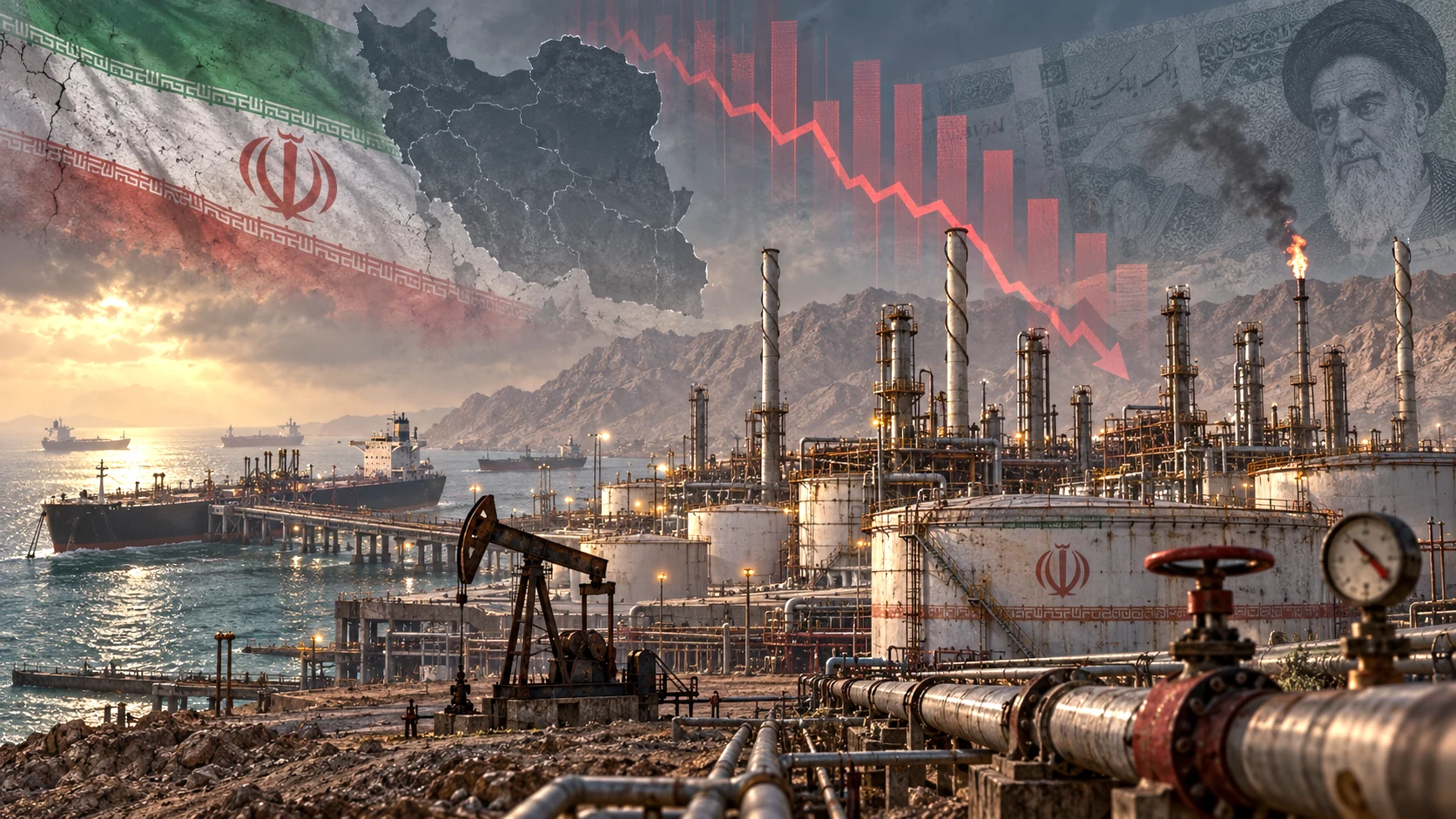
Iran’s economy contracted by 10.1% year-on-year during the first quarter of its current Persian calendar year, according to official data, with a collapse in oil and natural-gas activity driving much of the decline. The figures cover the first months of the US-Israel conflict with Iran, although the
Sensex and Nifty opened higher and extended gains on September 23, led by metals, FMCG and realty stocks as crude oil eased and global cues improved. Bajaj Finance, Hindalco and Tata Steel were among the strongest Nifty gainers.
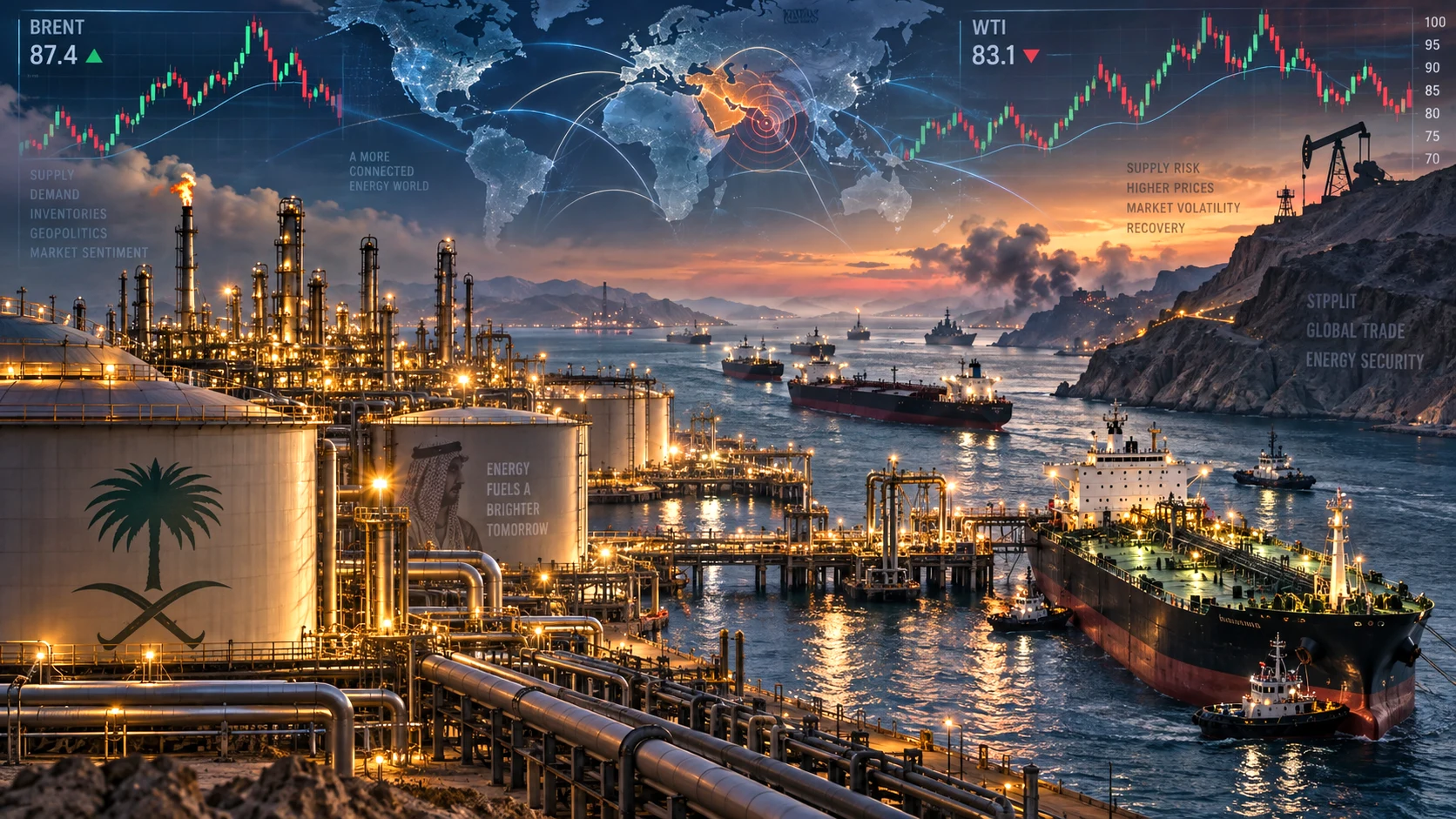
Global crude oil prices fell sharply on September 21, 2026, with Brent dropping toward $102 a barrel and US West Texas Intermediate slipping below $99, as recovering Saudi Arabian export flows and hopes for renewed US-Iran diplomacy outweighed immediate fears from Houthi missile and drone attacks on
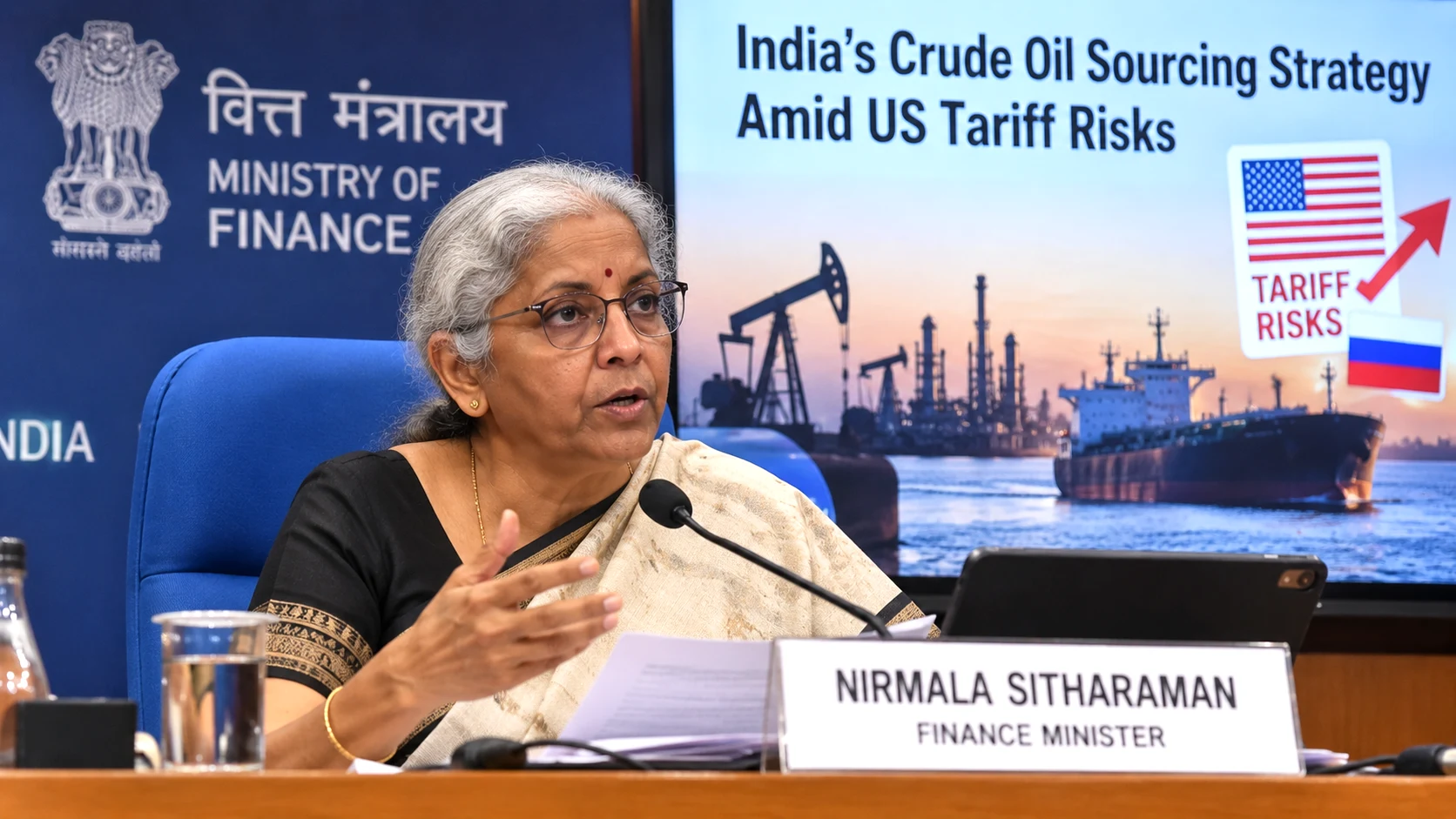
Finance Minister Nirmala Sitharaman says India cannot abruptly abandon Russian crude and will base oil purchases on availability, price and refinery suitability as a new US law raises the risk of tariffs of up to 100% on major Russian-energy buyers.
The claim is confirmed by the Bloomberg Billionaires Index and fresh September 18 reporting. Zhang Yiming’s estimated wealth has climbed to about $105 billion as higher ByteDance valuations and the company’s expanding AI business push him ahead of Gautam Adani.
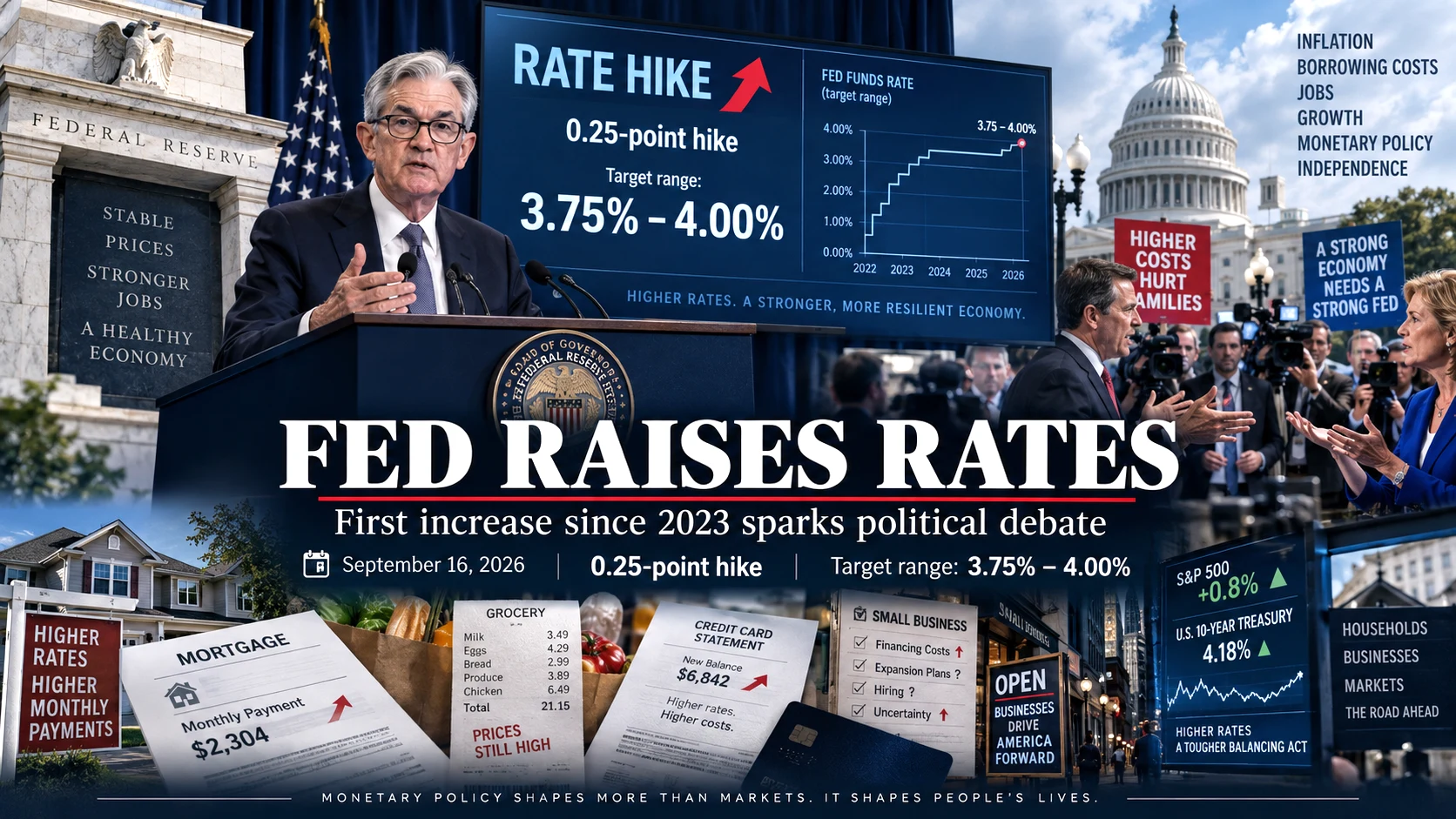
The Federal Reserve unanimously lifted its benchmark rate by 25 basis points to 3.75%-4.00% as inflation remained stubbornly above target. President Donald Trump demanded rates of 1% or lower and attacked the Fed board as political, although he said he still has confidence in Chair Kevin Warsh.








0 Comments