India Will Stay Pragmatic on Russian Oil Despite New US Tariff Risk, Sitharaman Says
Finance Minister Nirmala Sitharaman says India cannot abruptly abandon Russian crude and will base oil purchases on availability, price and refinery suitability as a new US law raises the risk of tariffs of up to 100% on major Russian-energy buyers.
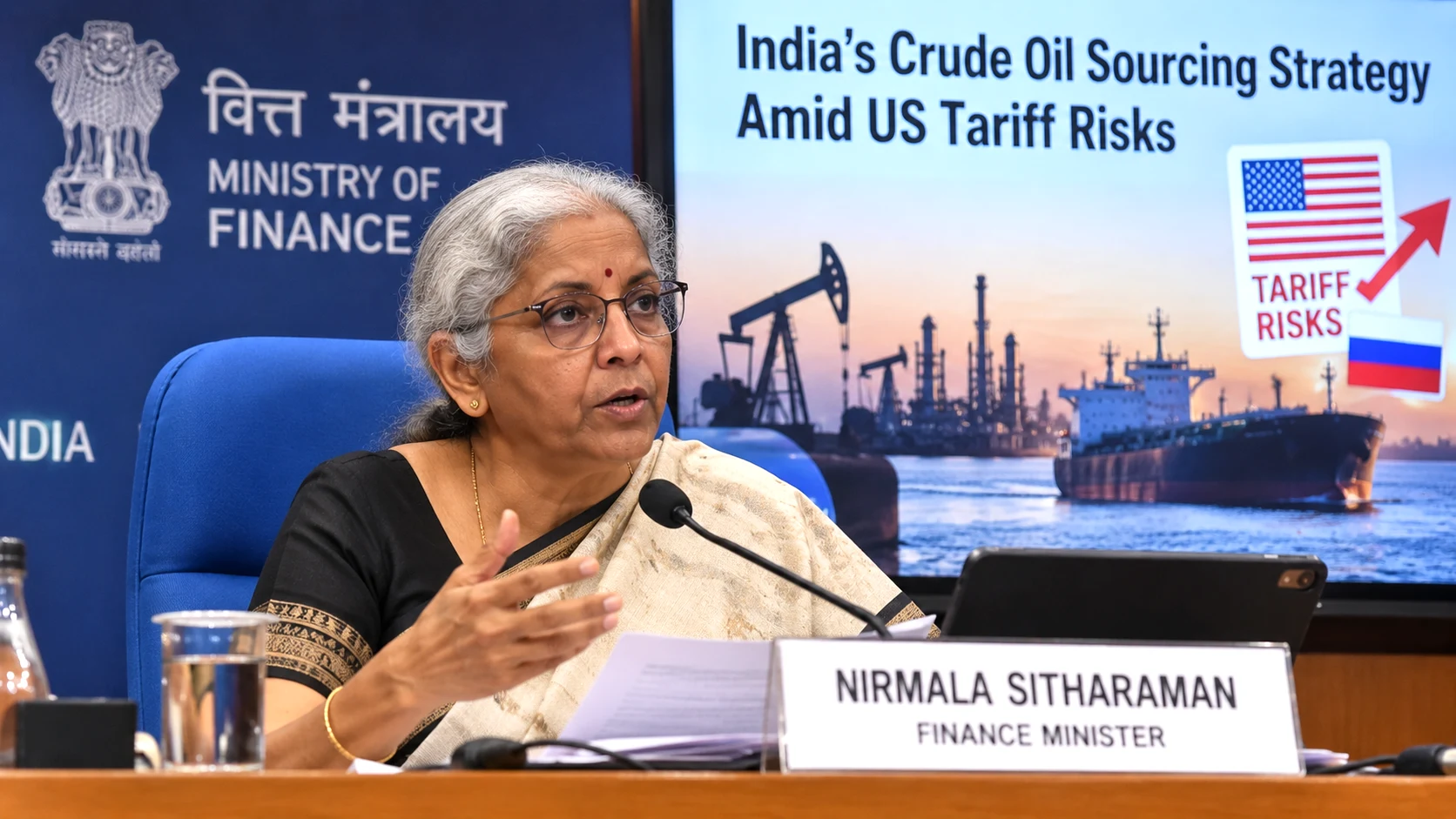
Finance Minister Nirmala Sitharaman discusses India's crude-oil sourcing strategy amid US tariff risks linked to Russian oil purchases
Table of Contents (23 sections)
India will continue making crude-oil sourcing decisions based on energy security, availability, price and the technical requirements of its refineries, Finance Minister Nirmala Sitharaman has said as New Delhi faces renewed US pressure over its purchases of Russian energy.
Speaking at the BusinessLine Changemaker Awards in New Delhi on September 22, Sitharaman argued that India cannot simply stop purchasing Russian crude and replace the same volumes overnight from another supplier.
Her central argument was not that India must buy Russian oil at any cost.
Instead, she said India needs to remain practical about supplying energy to a population of around 1.4 billion and should procure oil from sources that are available, economically viable and compatible with Indian refineries.
Recommended Reading
Related Stories & In-Depth Guides
Curated editorial perspectives matching this topic.
Iran’s economy contracted by 10.1% year-on-year during the first quarter of its current Persian calendar year, according to official data, with a collapse in oil and natural-gas activity driving much of the decline. The figures cover the first months of the US-Israel conflict with Iran, although the
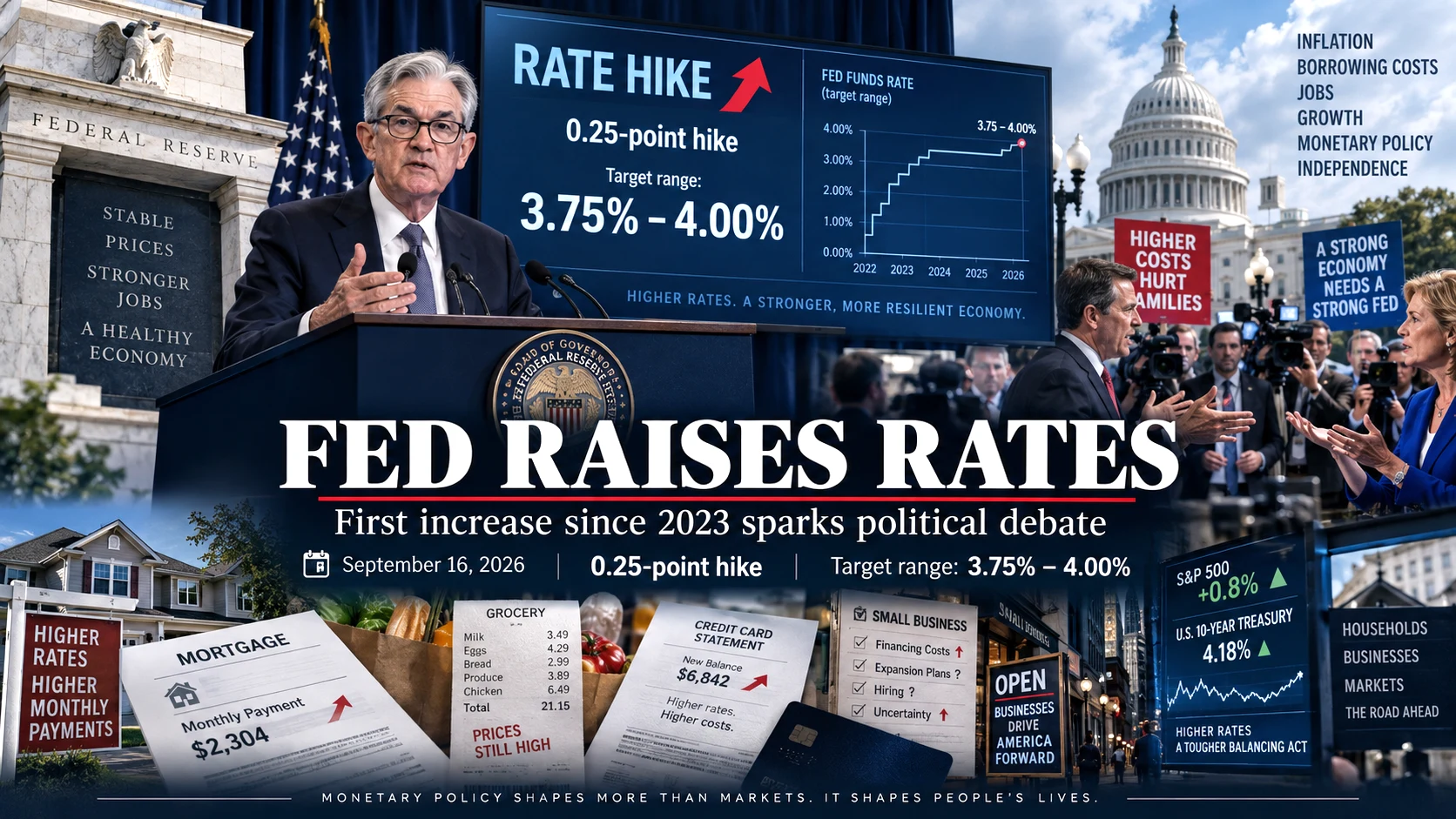
The Bank of Japan has raised its benchmark interest rate to 1.25%, taking borrowing costs to their highest level in 31 years as policymakers step up efforts to prevent inflation from moving persistently above the central bank’s target.
The comments come after US President Donald Trump on September 18 signed the Lindsey O. Graham Sanctioning Russia and Iran Act of 2026, expanding Washington's sanctions and tariff authorities against Russia.
Reuters reports that the legislation could allow the United States to impose tariffs of up to 100% on countries making major purchases of Russian oil, potentially placing India and China among the countries exposed to new trade measures.
But an important distinction for businesses and consumers is:
A 100% tariff has not automatically been imposed on all Indian goods simply because the law was signed.
The law gives the Trump administration powerful new tariff authority. The actual economic effect on India will depend on how Washington chooses to exercise that authority, including the tariff rate, scope and any exemptions or waivers.
Key Takeaways
Finance Minister Nirmala Sitharaman says India cannot abruptly replace Russian crude with oil from other suppliers.
India plans to continue diversifying its crude basket.
Future purchases will depend on availability, economics and refinery suitability.
Russia remains India's largest crude-oil supplier.
Russian imports fell 16.5% month-on-month in August to about 2.1 million barrels per day.
Preliminary Kpler data cited by Reuters suggests imports could decline further to around 1.9 million bpd in September.
Donald Trump signed a new Russia-and-Iran sanctions law on September 18.
The legislation creates the risk of tariffs of up to 100% for major buyers of Russian energy.
That does not mean a blanket 100% US tariff on India has automatically taken effect.
Indian refiners are already examining alternative crude supplies for coming months.
Replacing Russian barrels quickly could be difficult because global supplies are tight and different refineries are designed to process different grades of crude.
What Exactly Did Nirmala Sitharaman Say?
Sitharaman's comments focused primarily on the practical realities of India's energy market.
She said India would source energy from different parts of the world according to what suits the country's requirements, particularly in terms of availability.
She also said policymakers need to remain practical and keep India's interests at the centre of decisions.
Her argument was that suddenly removing India as a major purchaser of Russian crude would force the country to compete for a smaller pool of alternative oil supplies.
That additional demand could push prices higher at a time when energy markets are already facing disruptions.
The remarks therefore amount to a defence of flexible sourcing, rather than an unconditional commitment to Moscow.
Is India Saying It Will Definitely Keep Buying Russian Oil?
Not quite.
The more precise interpretation is:
India is not promising to buy a fixed quantity of Russian crude indefinitely, but neither is it committing to abruptly stop purchases because of US pressure.
Sitharaman said sourcing decisions must reflect:
availability;
affordability;
refinery compatibility;
India's overall energy requirements;
and national economic interests.
That leaves considerable room for imports to rise or fall depending on prices, sanctions risk, alternative supplies and commercial decisions by refiners.
Indeed, the latest trade data already shows Russian deliveries declining from their recent highs.
How Much Russian Oil Is India Buying?
India's imports of Russian crude fell by 16.5% in August compared with July, reaching about 2.1 million barrels per day, according to trade data reviewed by Reuters.
Russia nevertheless remained India's largest oil supplier.
Preliminary data from Kpler indicated Russian imports could decline further to approximately 1.9 million barrels per day in September.
Overall Indian crude imports were about 4.44 million barrels per day in August, down 8.8% from the previous month.
That means Russian crude continues to account for a very significant part of India's oil supply even as volumes fluctuate.
Reuters separately reported that Russian crude had recently accounted for more than 40% of India's overall oil supplies.
Why Is India Buying So Much Russian Crude?
Russia became one of India's most important oil suppliers after the invasion of Ukraine reshaped global energy flows.
Western restrictions reduced Russia's access to some traditional markets, while Indian refiners increased purchases of Russian barrels.
For India, the attraction has historically included:
large available volumes;
commercially attractive pricing at different periods;
suitability for certain Indian refineries;
and the need to diversify away from dependence on any one region.
India has repeatedly argued that its priority is ensuring affordable and reliable energy supplies for its large population and growing economy.
Why Can't India Simply Replace Russian Oil?
Sitharaman highlighted two separate problems.
1. Not enough alternative oil may be available at the same price
India is one of the world's biggest crude importers.
If it removed millions of barrels of Russian supply from its purchasing basket and attempted to replace those barrels immediately from the same group of alternative producers used by other importers, competition for available cargoes could increase.
Sitharaman said the available global oil pool is already constrained by disruptions affecting Gulf supplies.
Reuters has also reported heightened global energy-market stress from geopolitical disruptions affecting the Middle East and Russian energy infrastructure.
2. Refineries cannot process every crude grade equally
Crude oil is not a completely interchangeable product.
Different grades vary in characteristics including:
density;
sulphur content;
viscosity;
and yield of different petroleum products.
Sitharaman said many Indian refineries are configured around medium-sour crude, meaning replacement barrels also need to be commercially and technically suitable.
A barrel may therefore be available internationally but still be a poor economic substitute for the crude a refinery normally processes.
What Does “Medium Sour Crude” Mean?
Two characteristics are particularly important when refiners evaluate crude.
Medium generally refers to density.
Sour refers to crude containing relatively higher levels of sulphur.
Refineries are built and upgraded around particular ranges of crude characteristics.
A sophisticated refinery can handle multiple grades, but replacing one crude with another can affect:
operating costs;
processing requirements;
product yields;
refinery margins;
and overall economics.
Sitharaman's point is that India cannot assess alternative suppliers simply by asking whether they have oil available.
The replacement crude also needs to work economically inside India's refining system.
What Has the United States Changed?
The biggest new development is the Lindsey O. Graham Sanctioning Russia and Iran Act of 2026.
Trump signed H.R. 5334 into law on September 18.
The White House says the legislation expands statutory sanctions, tariffs and prohibitions targeting Russia while extending existing sanctions against Iran.
Reuters reports that the measure could allow Washington to impose tariffs reaching 100% on countries making major Russian-energy purchases.
India is particularly exposed because of the scale of its Russian crude imports.
Is the US Already Charging India a 100% Tariff?
No blanket 100% tariff has automatically taken effect simply because Trump signed the sanctions law.
This is an important correction to some simplified headlines.
The legislation gives Washington authority to impose extremely high trade penalties, potentially including tariffs of up to 100%, depending on implementation decisions.
Businesses therefore face tariff risk, but the final effect cannot be calculated until Washington establishes the measures that actually apply to a specific country and set of products.
India Has Faced Russian-Oil Tariffs Before
The current dispute follows an earlier confrontation.
In August 2025, Trump imposed an additional 25% tariff on Indian goods linked to India's purchases of Russian oil.
The United States later removed that additional duty in February 2026.
The White House said at the time that India had committed to stopping direct or indirect imports of Russian oil and had taken other steps aligning more closely with Washington.
Reuters subsequently reported that India's reduction in Russian purchases proved temporary and that imports increased again, particularly as Middle Eastern energy supplies became more disrupted.
That history is important because it shows how closely energy policy and India-US trade relations have become connected.
Could Indian Refiners Reduce Russian Purchases Anyway?
Yes.
There is already evidence that refiners are preparing for that possibility.
Reuters reported that Indian refiners are looking to spot markets for October and November supplies, partly because they may have to reduce purchases from Moscow if new US tariff action threatens India's wider economic interests.
Russian imports have already declined from July levels.
But that does not necessarily mean India is abandoning Russian crude altogether.
The more likely near-term strategy appears to involve maintaining flexibility and increasing diversification.
Where Else Is India Buying Oil From?
As Russian imports declined in August, Middle Eastern suppliers gained some ground.
Reuters reported:
Russian supply at about 2.1 million bpd;
UAE supply at around 620,000 bpd;
Saudi supply at approximately 328,000 bpd;
and increased Iraqi volumes.
ADNOC has also expanded the ability to move and sell oil through facilities outside the Strait of Hormuz, helping create alternative routes during regional disruption.
India's stated strategy is therefore diversification rather than exclusive reliance on Russia.
Why Does This Matter for Petrol and Diesel Prices?
Crude oil is one of the largest inputs into India's petroleum economy.
If India is forced to replace comparatively attractive barrels with more expensive crude, refiners' costs could rise.
That does not mean petrol or diesel prices would automatically increase by a fixed amount.
Retail prices also depend on factors including:
international product prices;
refinery economics;
taxes;
marketing margins;
currency movements;
and government pricing decisions.
But sustained increases in India's crude-import cost can create wider pressure on inflation, company margins and public finances.
Reuters reported that policymakers see the possibility of higher domestic fuel costs as one of the major risks of a rapid retreat from Russian supplies.
Could Oil Prices Rise Globally?
Sitharaman argues that they could.
Her reasoning is that Russian oil forms a large part of the world's available supply.
If India moved large purchases into already constrained alternative markets, additional competition could increase prices for multiple buyers.
That is a policy argument made by the Finance Minister rather than a guaranteed market outcome.
Oil prices are influenced simultaneously by:
OPEC+ production;
war and sanctions;
shipping disruptions;
global economic growth;
refinery outages;
inventories;
currency markets;
and speculative positioning.
The actual price effect would therefore depend on how global supply chains adjust.
Why the Strait of Hormuz Matters
India's energy dilemma has become more difficult because traditional Gulf supply routes have also experienced disruption.
The Strait of Hormuz is a crucial route for crude and LNG shipments.
Recent geopolitical conflict has encouraged Indian refiners and suppliers to explore alternative logistical arrangements.
Reuters says ADNOC has been transporting crude to storage and export terminals at Fujairah and Sohar outside the strait, helping maintain supply options.
This is one reason replacing Russian supply is currently more complicated than it might appear from headline production numbers alone.
Is India Defying the United States?
That framing is too simplistic.
India and the United States continue to have major economic and strategic ties, and New Delhi is still interested in maintaining trade negotiations with Washington.
At the same time, the Indian government says energy decisions need to prioritise domestic requirements.
Reuters reported that New Delhi warned the United States that aggressive tariff measures could harm bilateral relations and disrupt energy markets.
The issue is therefore better understood as a policy conflict between US sanctions objectives and India's energy-security calculations, rather than a simple choice between Washington and Moscow.
Could the Tariff Threat Affect an India-US Trade Deal?
Yes.
Reuters reports that the new legislation has added uncertainty to already difficult India-US trade negotiations.
India continues to seek progress on a bilateral trade agreement, but another large US tariff measure could make concessions politically and economically harder for New Delhi.
The eventual outcome will depend on how Washington implements the law and whether the two governments find a negotiated approach.
Why This Matters for Indian Exporters
The Russian-oil dispute is no longer only an energy story.
If Washington imposes additional tariffs on Indian goods, industries exporting to the US could face reduced competitiveness.
The US is one of India's most important export markets.
Potentially affected sectors would depend on which products Washington includes.
Until detailed implementation is announced, businesses should not assume either that:
all Indian products will face 100% tariffs; or
Indian exports will be exempt.
The current situation is a risk requiring monitoring, not a final tariff schedule.
What Happens Next?
Several developments now matter.
1. US implementation
Markets will watch whether Trump uses the new sanctions law to impose additional tariffs on India and, if so, at what rate.
2. India's November oil purchases
Refiners will soon have to decide how much Russian crude to book for later deliveries.
3. Alternative supplies
Purchases from the UAE, Saudi Arabia, Iraq, the United States, Africa and Latin America could increase if commercially competitive barrels become available.
4. Russian discounts
If Russian crude becomes sufficiently cheaper than competing grades, refiners may have a stronger commercial incentive to maintain purchases despite geopolitical risk.
5. India-US negotiations
Any compromise could involve trade, sanctions enforcement, energy purchases or broader bilateral issues.
Latest Verified Position
As of September 24, 2026:
Finance Minister Nirmala Sitharaman says India cannot abruptly replace all Russian crude with supplies from elsewhere.
She says India will source oil according to availability, suitability and economic considerations.
India is already diversifying its crude basket.
Russia remained India's biggest crude supplier in August.
Russian imports fell 16.5% to about 2.1 million barrels per day in August.
Preliminary estimates indicate imports may fall further to around 1.9 million bpd in September.
Trump signed the Lindsey O. Graham Sanctioning Russia and Iran Act on September 18.
The legislation creates the possibility of tariffs reaching 100% against major buyers of Russian energy.
A blanket 100% tariff has not automatically taken effect on India simply because the law was signed.
Indian refiners are examining alternative crude supplies for coming months.
The final impact on Indian trade will depend on how Washington implements the new powers.
Frequently Asked Questions
Is India stopping Russian oil imports?
No complete halt has been announced. Sitharaman says India will base energy purchases on availability, cost, refinery suitability and national requirements.
Did Nirmala Sitharaman say India will keep buying Russian oil no matter what?
No. Her position is more conditional. India intends to stay pragmatic and buy from sources that are available, suitable and economically viable.
How much Russian crude does India currently import?
Imports averaged roughly 2.1 million barrels per day in August, down 16.5% from July. Preliminary data points to around 1.9 million bpd in September.
Is Russia still India's biggest oil supplier?
Yes. Russia remained India's largest crude supplier in August.
Has Trump imposed a 100% tariff on India?
Not automatically. The new US legislation gives Washington authority that could lead to tariffs of up to 100% against major Russian-energy buyers, but implementation details determine the actual duties applied.
When did Trump sign the new Russia sanctions law?
Donald Trump signed H.R. 5334 into law on September 18, 2026.
Why can't India simply buy all its oil from the Middle East?
Availability and price are part of the problem, and refineries are also configured to process particular types of crude. Sitharaman specifically highlighted the suitability of medium-sour grades for Indian refining capacity.
Could Russian oil imports fall further?
Yes. Refiners are exploring alternative cargoes, and preliminary September data already indicates lower Russian volumes than in August.
Could this affect petrol and diesel prices in India?
Potentially, especially if India's overall crude-import cost rises. But retail fuel prices do not move mechanically with one crude supplier and depend on several commercial, tax and policy factors.
Could US tariffs hurt Indian exports?
Potentially. Reuters says tariffs reaching 100% could pose a serious risk to India's trade with its largest export market, depending on how the law is implemented.
Is India-US trade negotiation still continuing?
Both sides have continued seeking a trade agreement, although the Russian-oil sanctions dispute has added another major complication.
Bottom Line
Finance Minister Nirmala Sitharaman says India will remain pragmatic on Russian oil, basing purchases on availability, price and refinery suitability rather than abruptly abandoning Russian crude. Russia remains India’s largest supplier even as volumes decline.
A new US law creates the risk of tariffs of up to 100% on major Russian-energy buyers, but no blanket 100% tariff has automatically taken effect on India. The final impact will depend on how Washington implements the legislation.
Key Takeaway
India will stay pragmatic on Russian oil.
Purchases based on availability, price and refinery fit.
New US law creates 100% tariff risk — not automatic.
Russian imports declining but still largest source.
The Rajatheertha Team publishes news, explainers, guides and updates across India and the world. Our coverage follows Rajatheertha's editorial, verification and corrections standards.
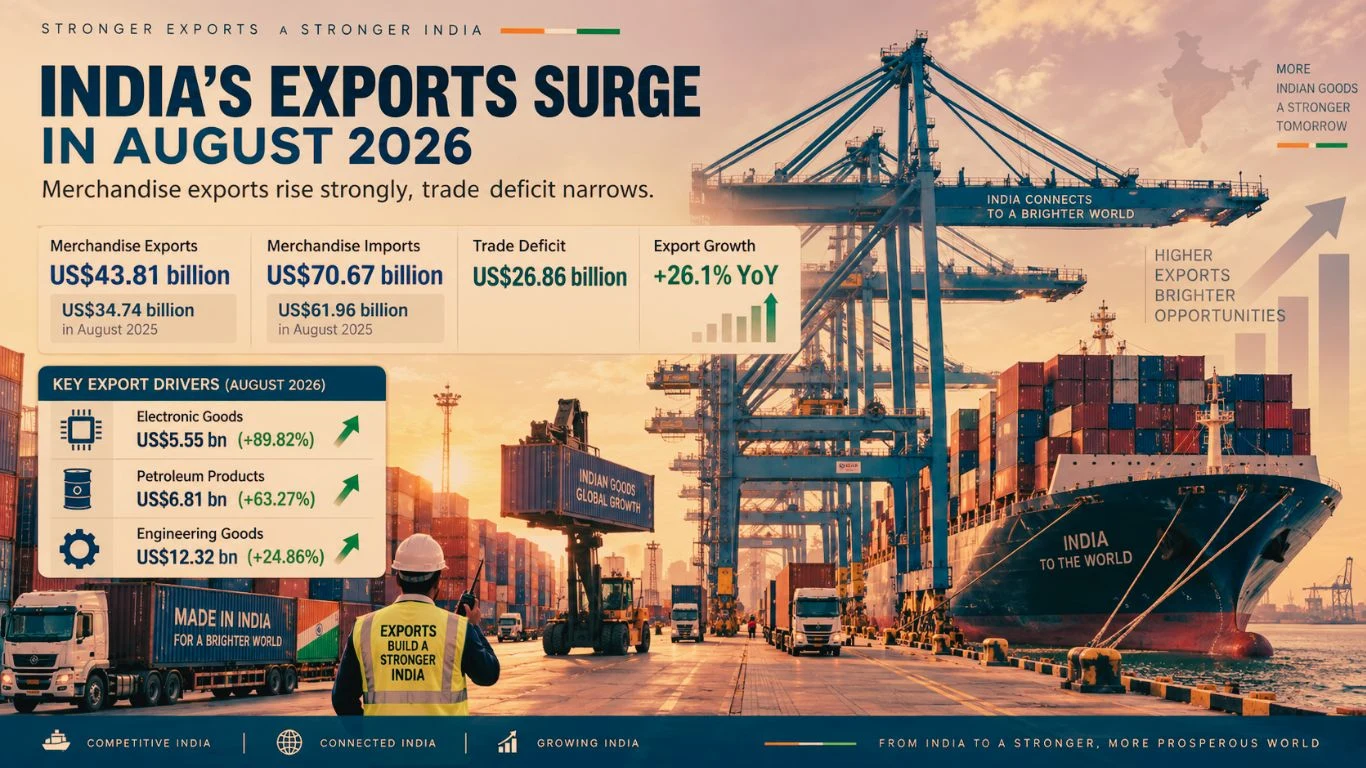
India received a record $94.53 billion in total FDI in FY2025-26, up about 17% from the previous year. Singapore led equity investment, software and hardware was the top sector, while Maharashtra attracted the most FDI equity.
The New Delhi Declaration backs more interoperable payment systems and voluntary use of national currencies while calling for diversified critical-mineral supply chains, as India’s expanding semiconductor ecosystem highlights the commercial stakes behind the resilience agenda.
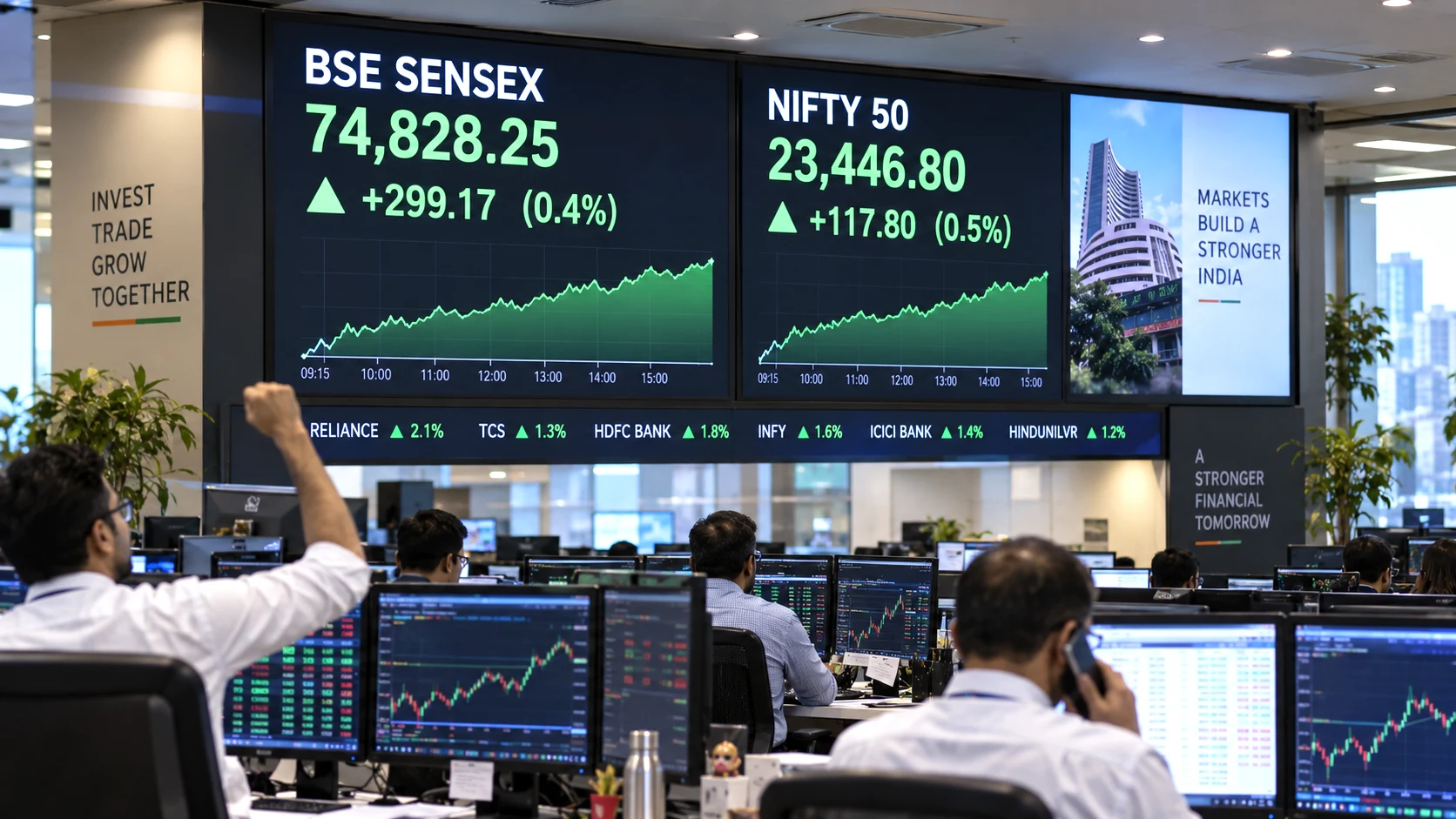
Sensex and Nifty rebounded on September 25 after Thursday's sharp selloff. At 2:35 PM IST, Sensex was up 328 points at 73,908 while Nifty gained 68 points to 23,131, helped by value buying and softer crude.
Sensex and Nifty opened higher and extended gains on September 23, led by metals, FMCG and realty stocks as crude oil eased and global cues improved. Bajaj Finance, Hindalco and Tata Steel were among the strongest Nifty gainers.
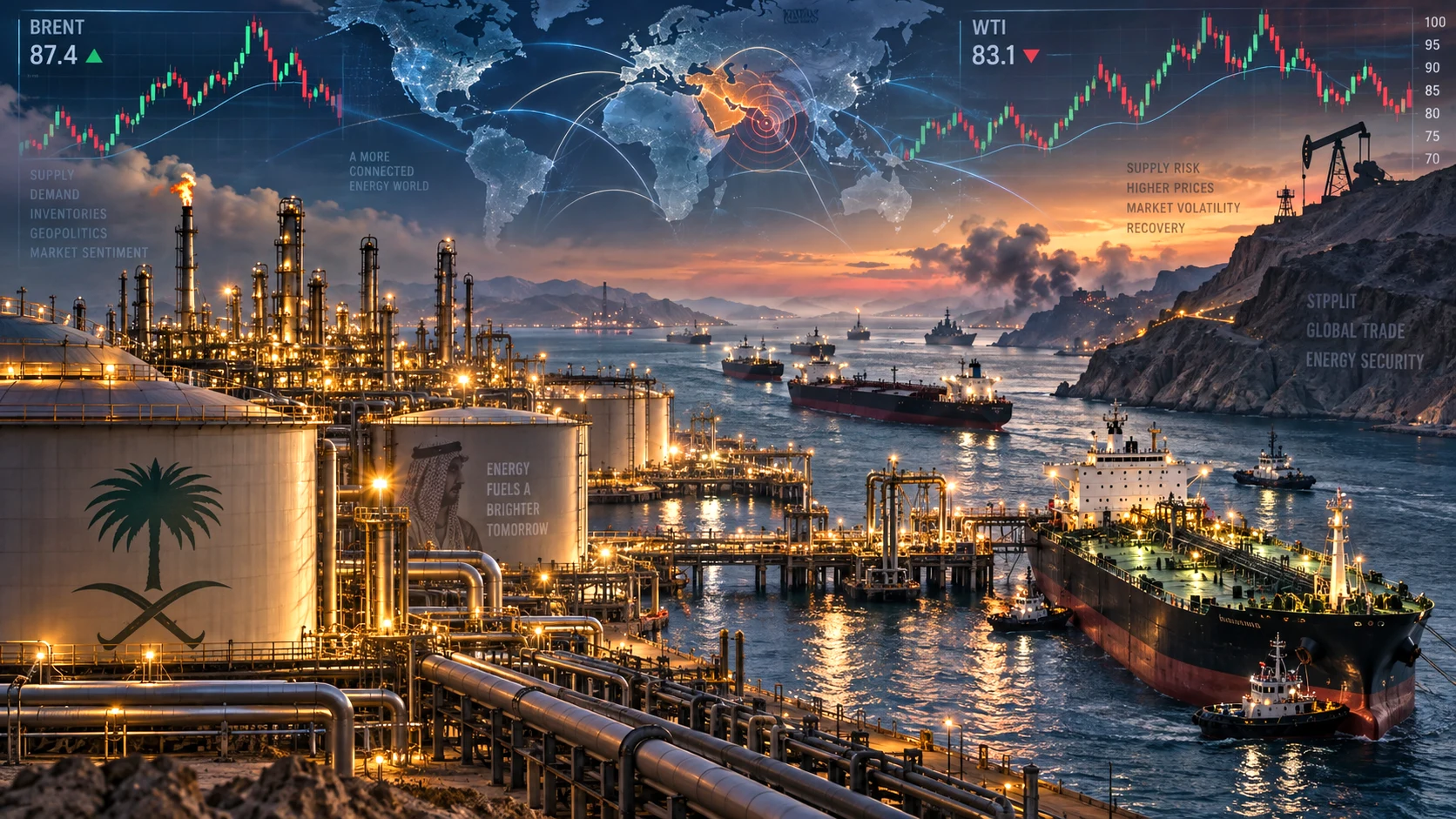
Brent crude remains above $100 as Iran says normal Strait of Hormuz passage will not resume until its conditions are met. A 100-million-barrel G7 emergency stock release and stronger Middle East exports are limiting further oil-price gains.
Global crude oil prices fell sharply on September 21, 2026, with Brent dropping toward $102 a barrel and US West Texas Intermediate slipping below $99, as recovering Saudi Arabian export flows and hopes for renewed US-Iran diplomacy outweighed immediate fears from Houthi missile and drone attacks on






0 Comments